
Have your child's feet been examined lately? Healthy feet are happy feet. If your child is complaining of foot pain, it may be a sign of underlying problems.
Have your child's feet been examined lately? Healthy feet are happy feet. If your child is complaining of foot pain, it may be a sign of underlying problems.
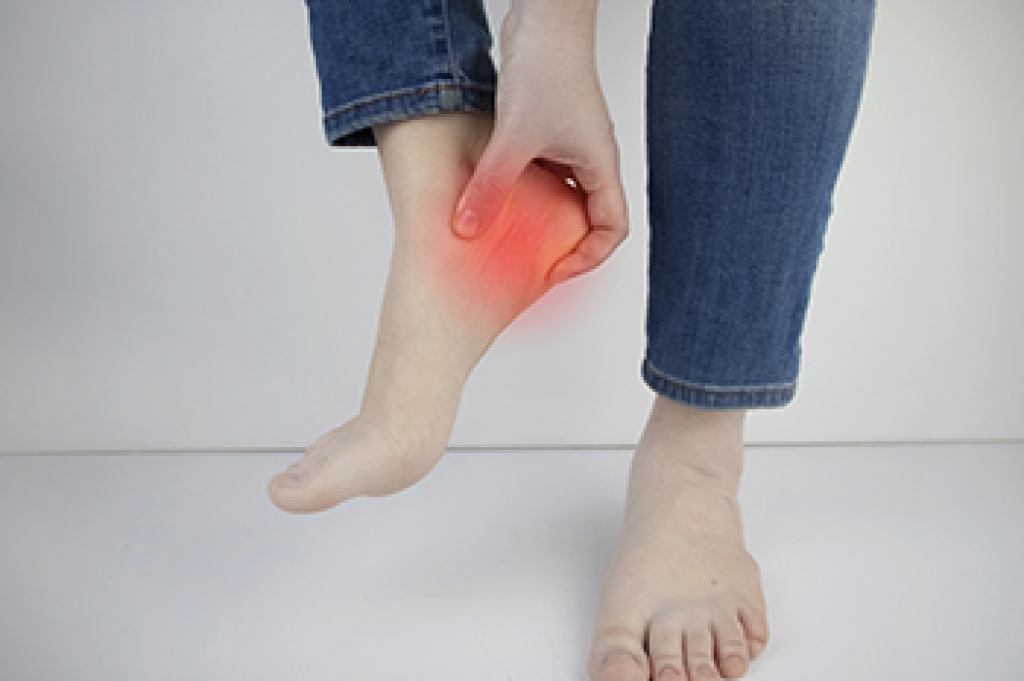
Plantar fasciitis develops when the plantar fascia becomes irritated and swollen. This band of tissue is a ligament that runs from the heel bone toward the toes. It supports the arch and helps absorb force when walking. Repeated strain can cause tiny tears that lead to pain near the bottom of the heel. The discomfort is sharpest with the first steps after getting out of bed. It can also return after sitting for a long period of time. Stiffness and swelling can occur, and the pain may increase after exercise.
Several factors can place too much stress on the plantar fascia. Running, jumping, and standing for long periods of time on a hard surface can increase the strain. A sudden increase in activity can also trigger symptoms of plantar fasciitis. Other risk factors include tight calf muscles, excess body weight, and being between ages 40 and 60. Flat feet or high arches can change how pressure moves through the foot. Although heel spurs may appear on an X-ray, these bony growths are not always the source of pain. An exam from a podiatrist helps distinguish plantar fasciitis from a stress fracture, nerve problem, or other cause of heel discomfort.
A podiatrist can examine the tender area and check foot and ankle movement. The visit includes a review of activity levels, shoes, and when symptoms occur. X-rays can help rule out a fracture or bone problem. A podiatrist can recommend properly fitted shoes or prescribe custom orthotics to improve support and reduce pressure. Treatment also includes taping or wearing a night splint that gently holds the foot in a better position while sleeping. Other office-based treatments can be discussed for persistent pain. Surgery is rarely required. It is considered only when continued care has not provided expected relief. If you have heel pain, it is suggested that you schedule an appointment with a podiatrist who can accurately diagnose and treat plantar fasciitis.
Plantar fasciitis is a common foot condition that is often caused by a strain injury. If you are experiencing heel pain or symptoms of plantar fasciitis, contact the foot specialists from Podiatry Associates of Belleville. Our doctors can provide the care you need to keep you pain-free and on your feet.
What Is Plantar Fasciitis?
Plantar fasciitis is one of the most common causes of heel pain. The plantar fascia is a ligament that connects your heel to the front of your foot. When this ligament becomes inflamed, plantar fasciitis is the result. If you have plantar fasciitis you will have a stabbing pain that usually occurs with your first steps in the morning. As the day progresses and you walk around more, this pain will start to disappear, but it will return after long periods of standing or sitting.
What Causes Plantar Fasciitis?
There are some risk factors that may make you more likely to develop plantar fasciitis compared to others. The condition most commonly affects adults between the ages of 40 and 60. It also tends to affect people who are obese because the extra pounds result in extra stress being placed on the plantar fascia.
Prevention
There are a variety of treatment options available for plantar fasciitis along with the pain that accompanies it. Additionally, physical therapy is a very important component in the treatment process. It is important that you meet with your podiatrist to determine which treatment option is best for you.
If you have any questions, please feel free to contact our office located in Belleville, NJ . We offer the newest diagnostic and treatment technologies for all your foot care needs.

Pickleball is a fun way to stay active, but your feet and ankles work hard during every game. Quick starts, sudden stops, and side-to-side movements place repeated stress on the feet. Wearing the right pickleball shoes can help protect your feet while improving comfort and confidence on the court. Good shoes should provide support, stability, and cushioning. They should also fit well and allow your toes enough room to move naturally.
The wrong shoes can make pickleball harder on your feet. Running shoes are designed mainly for forward movement and may not provide enough side-to-side support. Shoes with poor traction can increase the risk of slipping or twisting an ankle. Inadequate cushioning may contribute to heel pain or soreness after playing. Other possible injuries include ankle sprains, blisters, and stress injuries. Players who regularly play on hard courts may notice symptoms sooner when their footwear does not provide enough protection.
Choosing shoes made for court sports can help address these concerns. Look for a secure fit that keeps your heel from sliding. A stable sole can help support quick lateral movements. Reliable grip can improve traction during stops and changes in direction. Cushioning can reduce some of the impact placed on your feet during play. Additionally, comfortable materials can also help prevent rubbing and pressure points. Replace worn shoes when the tread becomes smooth or the cushioning feels less supportive.
If foot or ankle pain develops, a podiatrist can examine your feet and determine what may be causing the problem. Depending on the injury, treatment may include activity changes, supportive footwear, or other appropriate care. The podiatrist may also evaluate your walking pattern and footwear needs to help reduce future problems. If you have foot or ankle injuries from playing pickleball, it is suggested that you consult a podiatrist for effective relief and injury prevention tips.
Ankle and foot injuries are common among athletes and in many sports. They can be caused by several problems and may be potentially serious. If you are feeling pain or think you were injured in a sporting event or when exercising, consult with the foot specialists from Podiatry Associates of Belleville. Our doctors will assess your condition and provide you with quality foot and ankle treatment.
Common Injuries
The most common injuries that occur in sporting activities include:
Symptoms
Symptoms vary depending upon the injury and in some cases, there may be no symptoms at all. However, in most cases, some form of symptom is experienced. Pain, aching, burning, bruising, tenderness, tightness or stiffness, sensation loss, difficulty moving, and swelling are the most common symptoms.
Treatment
Just as symptoms vary depending upon the injury, so do treatment options. A common treatment method is known as the RICE method. This method involves rest, applying ice, compression and elevating the afflicted foot or ankle. If the injury appears to be more serious, surgery might be required, such as arthroscopic or reconstructive surgery. Lastly, rehabilitation or therapy might be needed to gain full functionality in the afflicted area. Any discomfort experienced by an athlete must be evaluated by a licensed, reputable medical professional.
If you have any questions please contact our office located in Belleville, NJ . We offer the newest diagnostic and treatment technologies for all your foot and ankle needs.
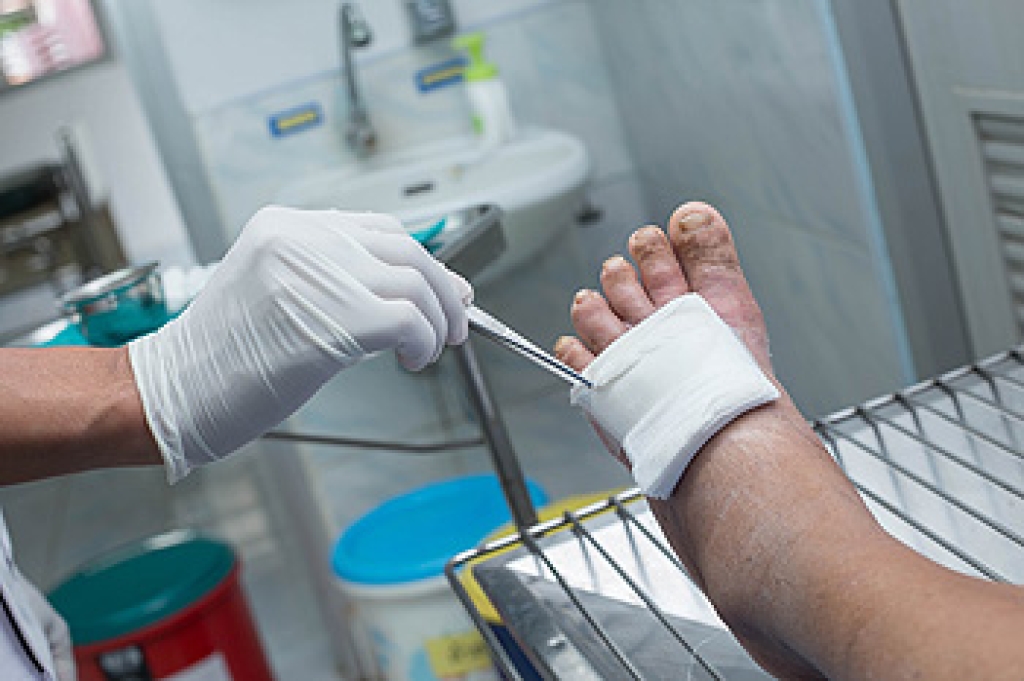
A diabetic foot infection is develops in the skin or deeper tissues of the foot. Diabetes can make infections more difficult to notice and treat, because nerve damage may reduce sensation and poor circulation can slow healing. Common symptoms include redness, warmth, or a wound that does not improve. Some people may feel little pain despite a serious infection. Early attention can help protect healthy tissue and reduce the risk of complications.
Several factors can increase the chance of developing a diabetic foot infection. A small cut, blister, or puncture can provide an entry point for germs. Neuropathy may prevent someone from noticing an injury, while reduced blood flow can limit oxygen needed for healing. Other risks include poorly controlled blood sugar, previous ulcers, and wearing improperly fitting shoes. Checking the feet every day can help identify changes before they become more difficult to manage.
Caring for diabetic feet starts with keeping the skin clean and checking for problems each day. Wear supportive, properly fitted shoes and avoid walking barefoot. Keep blood sugar within the range recommended by your healthcare provider. If a wound or infection develops, a podiatrist may examine the skin, assess circulation and nerve function, and determine how deep the infection extends. Treatment may include wound cleaning, removal of damaged tissue, and prescription medication. Early treatment supports healing and repair. More serious infections may require imaging or additional medical care.
Prompt treatment can make a difference in diabetic foot health. Watch for changes that appear suddenly or do not improve, especially around an open sore. Do not try to cut away infected tissue or treat a significant wound on your own. If you have diabetes and have developed a foot infection, it is strongly suggested that you are under the care of a podiatrist who can help you to manage this serious condition.
Wound care is an important part in dealing with diabetes. If you have diabetes and a foot wound or would like more information about wound care for diabetics, consult with the foot specialists from Podiatry Associates of Belleville. Our doctors will assess your condition and provide you with quality foot and ankle treatment.
What Is Wound Care?
Wound care is the practice of taking proper care of a wound. This can range from the smallest to the largest of wounds. While everyone can benefit from proper wound care, it is much more important for diabetics. Diabetics often suffer from poor blood circulation which causes wounds to heal much slower than they would in a non-diabetic.
What Is the Importance of Wound Care?
While it may not seem apparent with small ulcers on the foot, for diabetics, any size ulcer can become infected. Diabetics often also suffer from neuropathy, or nerve loss. This means they might not even feel when they have an ulcer on their foot. If the wound becomes severely infected, amputation may be necessary. Therefore, it is of the upmost importance to properly care for any and all foot wounds.
How to Care for Wounds
The best way to care for foot wounds is to prevent them. For diabetics, this means daily inspections of the feet for any signs of abnormalities or ulcers. It is also recommended to see a podiatrist several times a year for a foot inspection. If you do have an ulcer, run the wound under water to clear dirt from the wound; then apply antibiotic ointment to the wound and cover with a bandage. Bandages should be changed daily and keeping pressure off the wound is smart. It is advised to see a podiatrist, who can keep an eye on it.
If you have any questions please contact our office located in Belleville, NJ . We offer the newest diagnostic and treatment technologies for all your foot and ankle needs.
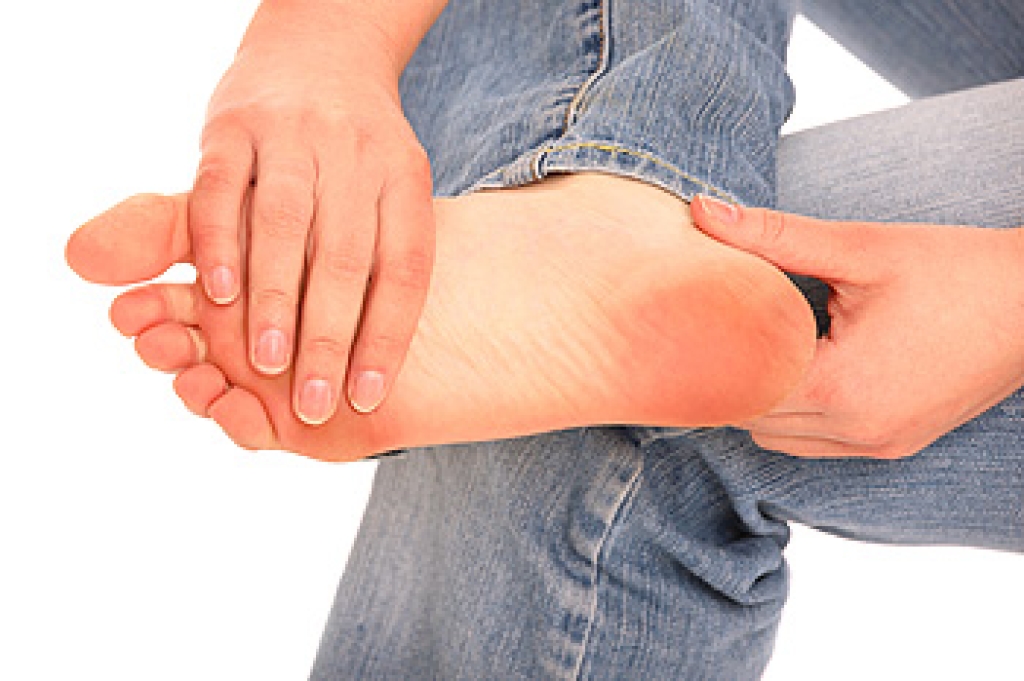
Foot pain can result from several factors, including poor biomechanics, excess weight, inadequate footwear, or underlying medical conditions. Carrying excess weight increases the pressure on joints in the foot, which may lead to inflammation or joint damage. Ill-fitting shoes or high heels may result in bunions, hammertoes, or ankle injuries due to poor support and altered gait. A tight Achilles tendon can impair foot mechanics and contribute to heel pain or strain in the plantar fascia. Repetitive stress from high-impact activities can also trigger conditions such as plantar fasciitis, especially when performed without proper footwear. Age-related balance issues can lead to uneven loading of the foot, increasing fall risk and foot strain. Prolonged standing without rest places sustained pressure on the arches and heels, contributing to foot pain. A podiatrist can evaluate the underlying cause of foot pain and provide effective treatment. If you are experiencing foot pain, it is suggested that you make an immediate appointment with a podiatrist for treatment.
Foot Pain
Foot pain can be extremely painful and debilitating. If you have a foot pain, consult with the foot specialists from Podiatry Associates of Belleville. Our doctors will assess your condition and provide you with quality foot and ankle treatment.
Causes
Foot pain is a very broad condition that could be caused by one or more ailments. The most common include:
Diagnosis
To figure out the cause of foot pain, podiatrists utilize several different methods. This can range from simple visual inspections and sensation tests to X-rays and MRI scans. Prior medical history, family medical history, and any recent physical traumatic events will all be taken into consideration for a proper diagnosis.
Treatment
Treatment depends upon the cause of the foot pain. Whether it is resting, staying off the foot, or having surgery; podiatrists have a number of treatment options available for foot pain.
If you have any questions, please feel free to contact our office located in Belleville, NJ . We offer the newest diagnostic and treatment technologies for all your foot care needs.
Connect With Us