Diabetic Foot Infections Require Prompt Care

A diabetic foot infection is develops in the skin or deeper tissues of the foot. Diabetes can make infections more difficult to notice and treat, because nerve damage may reduce sensation and poor circulation can slow healing. Common symptoms include redness, warmth, or a wound that does not improve. Some people may feel little pain despite a serious infection. Early attention can help protect healthy tissue and reduce the risk of complications.

Several factors can increase the chance of developing a diabetic foot infection. A small cut, blister, or puncture can provide an entry point for germs. Neuropathy may prevent someone from noticing an injury, while reduced blood flow can limit oxygen needed for healing. Other risks include poorly controlled blood sugar, previous ulcers, and wearing improperly fitting shoes. Checking the feet every day can help identify changes before they become more difficult to manage.

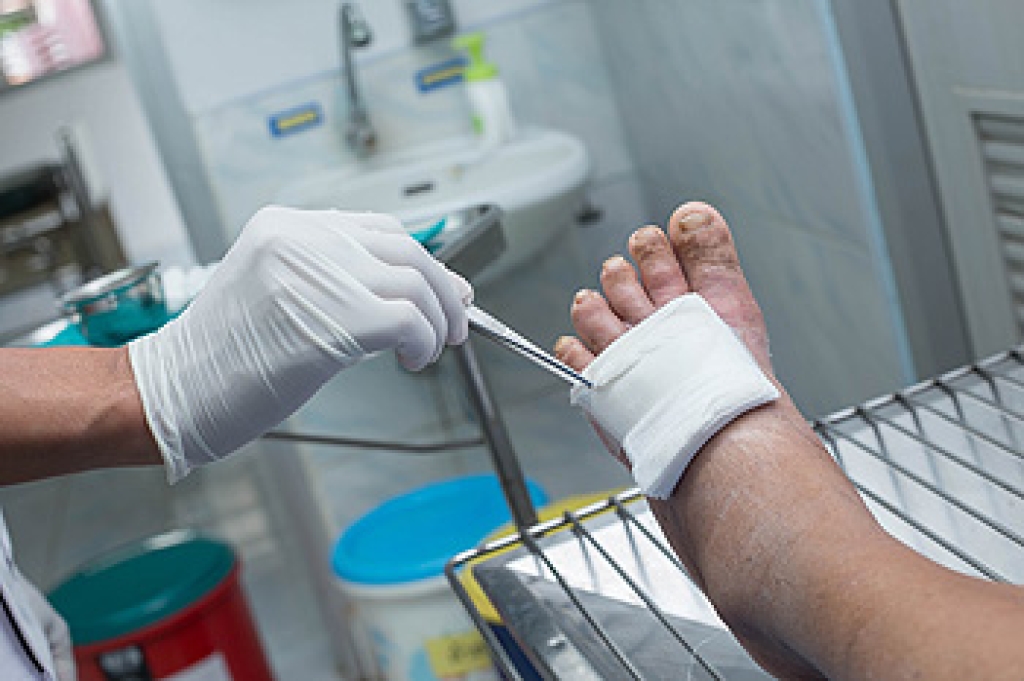
Caring for diabetic feet starts with keeping the skin clean and checking for problems each day. Wear supportive, properly fitted shoes and avoid walking barefoot. Keep blood sugar within the range recommended by your healthcare provider. If a wound or infection develops, a podiatrist may examine the skin, assess circulation and nerve function, and determine how deep the infection extends. Treatment may include wound cleaning, removal of damaged tissue, and prescription medication. Early treatment supports healing and repair. More serious infections may require imaging or additional medical care.

Prompt treatment can make a difference in diabetic foot health. Watch for changes that appear suddenly or do not improve, especially around an open sore. Do not try to cut away infected tissue or treat a significant wound on your own. If you have diabetes and have developed a foot infection, it is strongly suggested that you are under the care of a podiatrist who can help you to  manage this serious condition. 

Wound care is an important part in dealing with diabetes. If you have diabetes and a foot wound or would like more information about wound care for diabetics, consult with the foot specialists from Podiatry Associates of Belleville. Our doctors will assess your condition and provide you with quality foot and ankle treatment.

What Is Wound Care?

Wound care is the practice of taking proper care of a wound. This can range from the smallest to the largest of wounds. While everyone can benefit from proper wound care, it is much more important for diabetics. Diabetics often suffer from poor blood circulation which causes wounds to heal much slower than they would in a non-diabetic. 

What Is the Importance of Wound Care?

While it may not seem apparent with small ulcers on the foot, for diabetics, any size ulcer can become infected. Diabetics often also suffer from neuropathy, or nerve loss. This means they might not even feel when they have an ulcer on their foot. If the wound becomes severely infected, amputation may be necessary. Therefore, it is of the upmost importance to properly care for any and all foot wounds.

How to Care for Wounds

The best way to care for foot wounds is to prevent them. For diabetics, this means daily inspections of the feet for any signs of abnormalities or ulcers. It is also recommended to see a podiatrist several times a year for a foot inspection. If you do have an ulcer, run the wound under water to clear dirt from the wound; then apply antibiotic ointment to the wound and cover with a bandage. Bandages should be changed daily and keeping pressure off the wound is smart. It is advised to see a podiatrist, who can keep an eye on it.

If you have any questions please contact our office located in Belleville, NJ . We offer the newest diagnostic and treatment technologies for all your foot and ankle needs.
Read more about Wound Care

Common Causes of Foot Pain

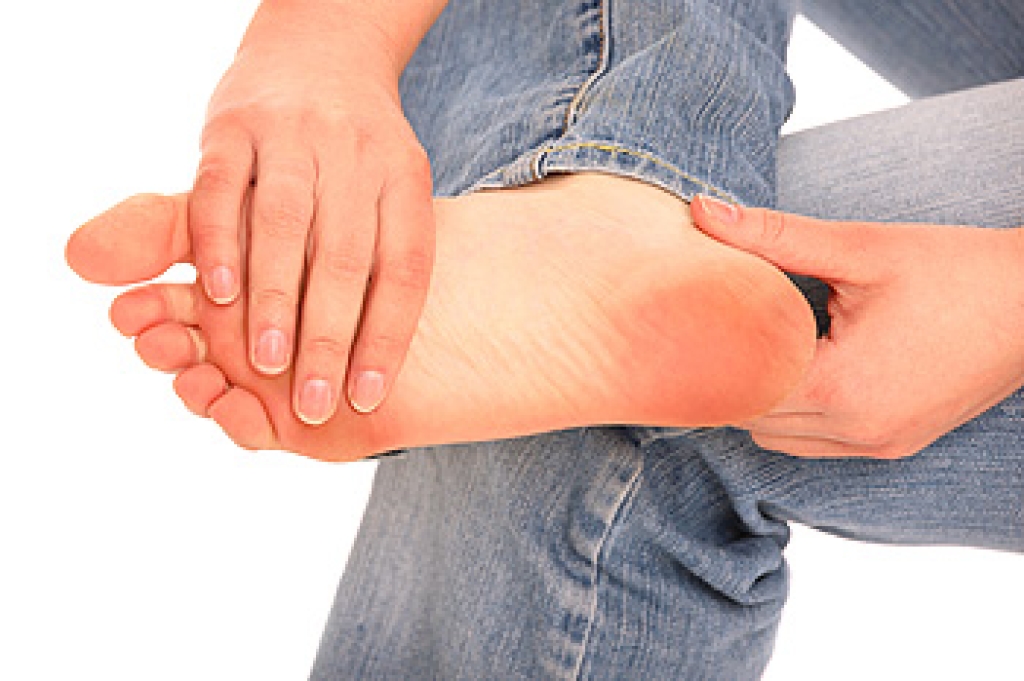
Foot pain can result from several factors, including poor biomechanics, excess weight, inadequate footwear, or underlying medical conditions. Carrying excess weight increases the pressure on joints in the foot, which may lead to inflammation or joint damage. Ill-fitting shoes or high heels may result in bunions, hammertoes, or ankle injuries due to poor support and altered gait. A tight Achilles tendon can impair foot mechanics and contribute to heel pain or strain in the plantar fascia. Repetitive stress from high-impact activities can also trigger conditions such as plantar fasciitis, especially when performed without proper footwear. Age-related balance issues can lead to uneven loading of the foot, increasing fall risk and foot strain. Prolonged standing without rest places sustained pressure on the arches and heels, contributing to foot pain. A podiatrist can evaluate the underlying cause of foot pain and provide effective treatment. If you are experiencing foot pain, it is suggested that you make an immediate appointment with a podiatrist for treatment.

Foot Pain

Foot pain can be extremely painful and debilitating. If you have a foot pain, consult with the foot specialists from Podiatry Associates of Belleville. Our doctors will assess your condition and provide you with quality foot and ankle treatment.

Causes

Foot pain is a very broad condition that could be caused by one or more ailments. The most common include:

  • Bunions
  • Hammertoes
  • Plantar Fasciitis
  • Bone Spurs
  • Corns
  • Tarsal Tunnel Syndrome
  • Ingrown Toenails
  • Arthritis (such as Gout, Rheumatoid, and Osteoarthritis)
  • Flat Feet
  • Injury (from stress fractures, broken toe, foot, ankle, Achilles tendon ruptures, and sprains)
  • And more

Diagnosis

To figure out the cause of foot pain, podiatrists utilize several different methods. This can range from simple visual inspections and sensation tests to X-rays and MRI scans. Prior medical history, family medical history, and any recent physical traumatic events will all be taken into consideration for a proper diagnosis.

Treatment

Treatment depends upon the cause of the foot pain. Whether it is resting, staying off the foot, or having surgery; podiatrists have a number of treatment options available for foot pain.

If you have any questions, please feel free to contact our office located in Belleville, NJ . We offer the newest diagnostic and treatment technologies for all your foot care needs.

Read more about Foot Pain

How Podiatric Care Can Manage Plantar Fibroma Discomfort

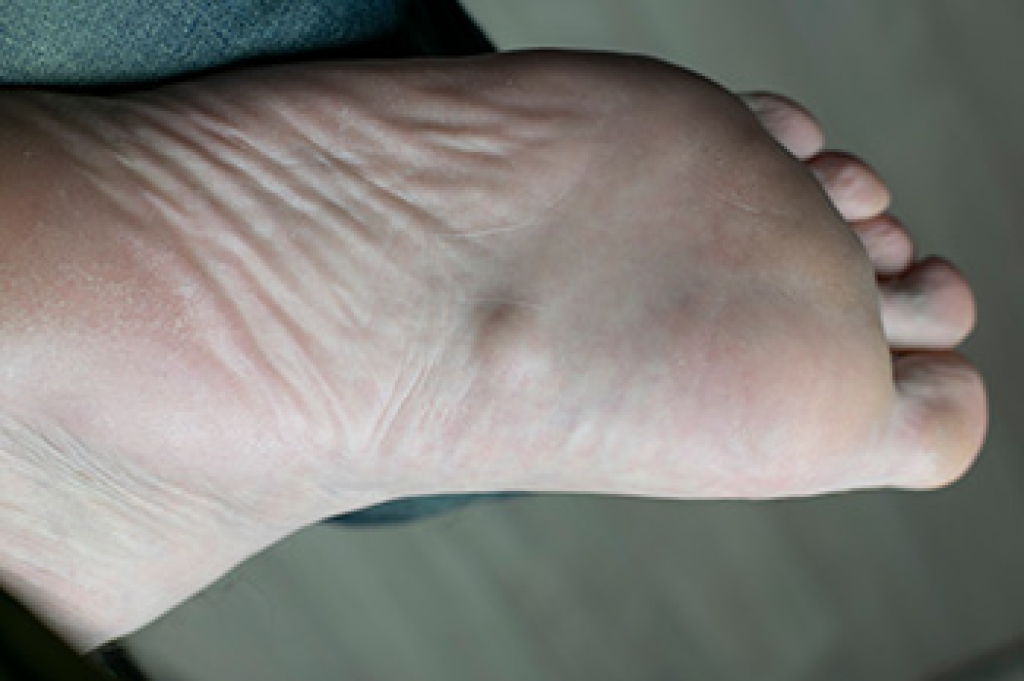
A plantar fibroma is a benign, non-cancerous growth that develops within the plantar fascia. This strong band of tissue runs along the bottom of the foot and supports the arch. A plantar fibroma usually appears as a firm lump within the arch. It may be small at first but can become more noticeable over time. Although the growth is not cancerous, it can cause discomfort while walking or standing. Early evaluation can help identify the cause of a new lump.

The exact cause of plantar fibroma is not always known. Repeated stress on the plantar fascia may contribute to its development. Risk factors can include family history, certain foot mechanics, and repeated pressure on the arch. People with conditions that affect connective tissue may also have an increased risk. Additionally, wearing shoes that place pressure directly over the lump can make symptoms more noticeable. Some people have no pain, while others develop tenderness or aching during activity.


Plantar fibroma symptoms commonly include a firm, noticeable nodule in the arch. The lump may feel tender when pressed or when standing for long periods of time. Walking barefoot on hard surfaces can make discomfort more noticeable. Tight shoes may also rub against the growth and increase irritation. A podiatrist can examine the foot and discuss your symptoms and medical history. Imaging, such as an ultrasound or an MRI scan, may be recommended when the diagnosis needs clarification.


Treatment depends on the size of the fibroma and how much it affects your daily activities. A podiatrist may begin with footwear changes, padding, or custom orthotics to reduce pressure on the growth.Your podiatrist may monitor the fibroma over time if symptoms remain mild, and more persistent cases may require additional treatment options. If you have a plantar fibroma, it is suggested that you consult a podiatrist for an accurate diagnosis and appropriate treatment.

A plantar fibroma may disrupt your daily activities. If you have any concerns, contact the foot specialists of Podiatry Associates of Belleville. Our doctors can provide the care you need to keep you pain-free and on your feet.

Plantar Fibroma

A plantar fibroma is a fibrous knot in the arch of the foot. It is embedded in the plantar fascia which is a band of tissue that extends from the heel to the toes along the bottom of the foot. There can be multiple plantar fibromas in the feet at the same time. There are no known causes for this condition. If you have a plantar fibroma, there will be a bump in the arch of your foot that cannot be missed. Any associated pain is most often due to a shoe rubbing against the nodule. Non-surgical options, such as steroid injections, physical therapy, and orthotics should be tried first. Surgery is a last resort and is the only thing that will remove a plantar fibroma entirely. Consult with a podiatrist for a proper diagnosis and to determine the treatment regimen that is right for you.

What Causes a Plantar Fibroma?

While there are no specific causes identified, a plantar fibroma can possibly come from genetic predisposition or the formation of scar tissue that forms from healing the tears in the plantar fascia.

What Are the Symptoms of a Plantar Fibroma?

There will be a noticeable lump in the arch of the foot that may or may not cause pain. If pain is felt, it is typically because a shoe is rubbing up against the lump or when walking or standing barefoot.

Treatment and Prevention

A plantar fibroma will not disappear without treatment, but it can get smaller and be a non-issue. If pain persists, a podiatrist examines the foot and when the arch of the foot is pressed, pain can be felt down to the toes. An MRI or biopsy might be performed to help diagnose or evaluate the plantar fibroma. The following non-surgical options are generally enough to reduce the size and pain of these nodules:

  • Steroid injections
  • Orthotics
  • Physical therapy to help apply anti-inflammatory creams on the bump 

Surgery is considered if the mass increases in size and the patient continues to feel pain after non-surgical methods are tried.

If you have any questions, please feel free to contact our office located in Belleville, NJ . We offer the newest diagnostic and treatment technologies for all your foot care needs.

Read more about Plantar Fibroma

Why Live with Pain and Numbness in Your Feet?

Suffering from this type of pain? You may have the foot condition known as Morton's neuroma. Morton's neuroma may develop as a result of ill-fitting footwear and existing foot deformities. We can help.

Warning Signs of Toenail Fungus

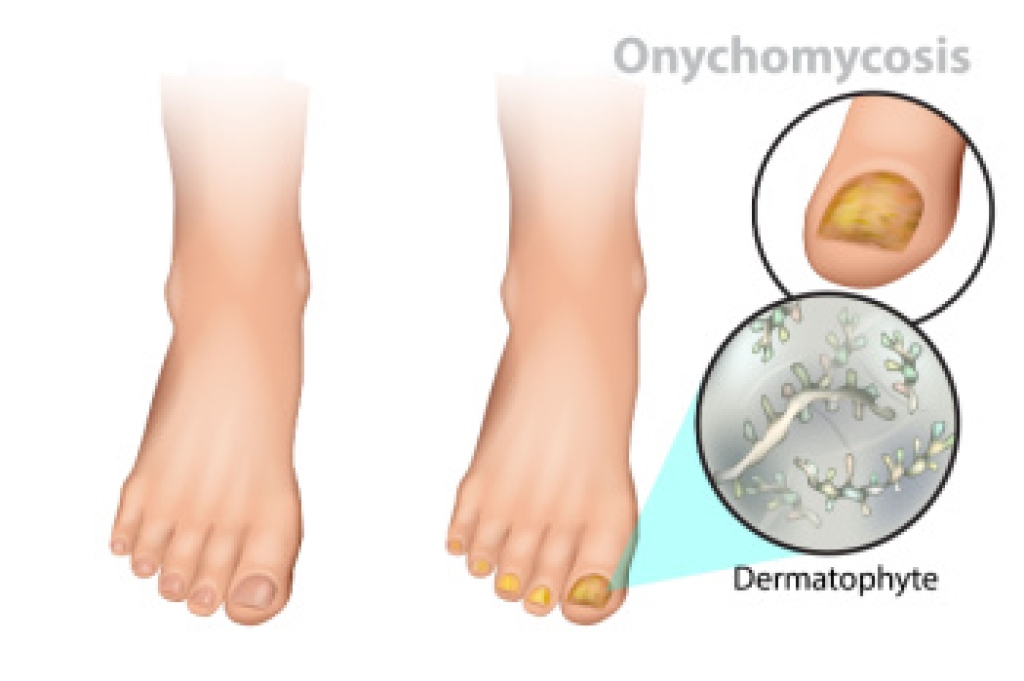
Toenail fungus is a fungal infection that can change the appearance and condition of one or more toenails. The infection develops slowly, so early changes may be easy to overlook. Symptoms can include nail discoloration, thickening, and buildup beneath the nail. As the condition progresses, shoes may feel uncomfortable because the affected nail becomes thicker. Pain can develop when pressure reaches the nail or surrounding tissue.

Fungi thrive in warm, moist environments and can spread through contact with contaminated surfaces or materials. Walking barefoot in shared wet areas can increase exposure. Risk factors include sweaty feet, tight footwear, and a history of fungal skin infections. People with slower nail growth may also have a greater chance of developing persistent changes. Recognizing these factors can encourage attention when nail appearance changes.


Toenail fungus can cause more than cosmetic concerns. Disfigurement may make nails look discolored, cloudy, or irregular. Brittle pieces may break away, while debris can collect beneath the nail. Discomfort may make wearing shoes unpleasant, and pain can occur when the nail presses against the shoe. A podiatrist evaluates the nail, surrounding skin, and symptoms. Lab tests may be used because psoriasis, trauma, and other nail disorders can resemble fungal infection.


A podiatrist creates treatment based on the infection and the condition of the nail. Care may include trimming or thinning the nail, or applying topical antifungal medication, when appropriate. Patients can support recovery by keeping feet dry and changing damp socks. Follow-up visits allow the podiatrist to monitor new nail growth and treatment response overall. Nail improvement takes time because toenails grow slowly. If you have symptoms of toenail fungus, it is suggested that you consult a podiatrist for an accurate diagnosis and appropriate treatment.

For more information about treatment, contact the foot specialists of Podiatry Associates of Belleville. Our doctors can provide the care you need to keep you pain-free and on your feet.

Toenail Fungus Treatment

Toenail fungus is a condition that affects many people and can be especially hard to get rid of. Fortunately, there are several methods to go about treating and avoiding it.

Antifungals & Deterrence

Oral antifungal medicine has been shown to be effective in many cases. It is important to consult with a podiatrist to determine the proper regiment for you, or potentially explore other options.

Applying foot powder on the feet and shoes helps keep the feet free of moisture and sweat.

Sandals or open toed shoes – Wearing these will allow air movement and help keep feet dry. They also expose your feet to light, which fungus cannot tolerate. Socks with moisture wicking material also help as well.

If you have any questions please contact our office located in Belleville, NJ . We offer the newest diagnostic and treatment technologies for all your foot and ankle needs.

Read more about Treating Toenail Fungus

Connect With Us