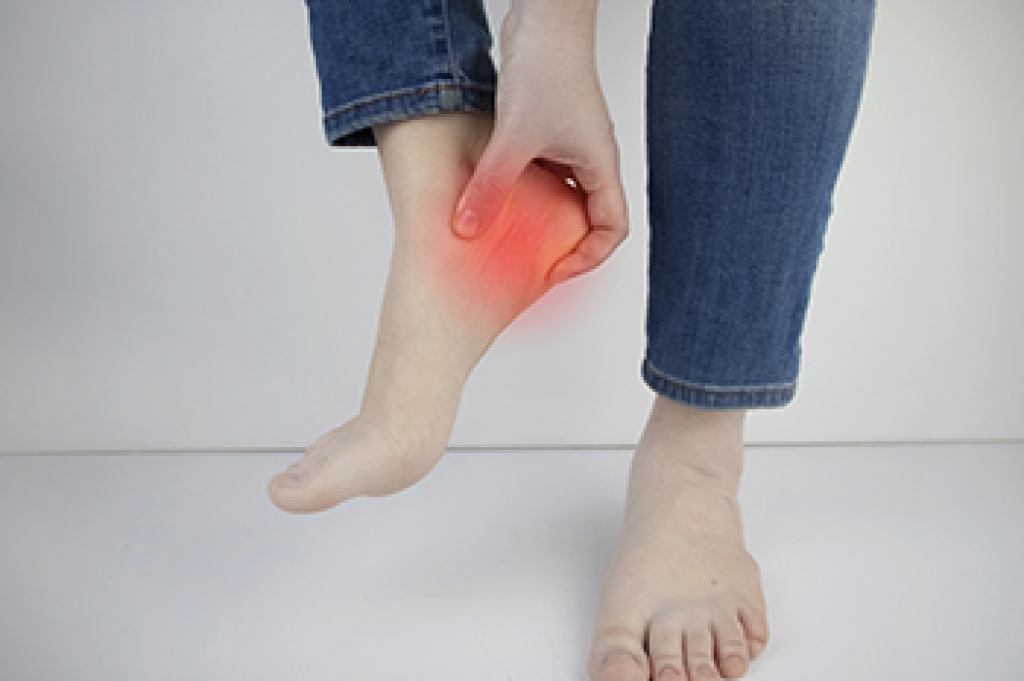
Sprained Ankle or Broken Ankle?

Ankle pain after a twist, fall, or awkward landing can leave you wondering whether you have a sprain or a fracture. A sprained ankle occurs when ligaments, which connect bones and stabilize joints, stretch or tear. A broken ankle involves a crack or break in one or more bones forming the ankle joint. Both injuries can cause swelling, bruising, and difficulty walking, so symptoms alone cannot always confirm which injury has occurred. Prompt podiatric evaluation helps prevent complications and supports proper healing.

Ankle sprains commonly happen when the foot rolls inward or outward, stretching the supporting ligaments beyond their normal limits. Sports, uneven surfaces, and previous ankle sprains increase the risk. Pain often develops around the affected ligament and may worsen when moving the ankle or putting weight on it. Mild sprains may cause manageable discomfort, while severe ligament tears can produce substantial pain and instability. Treatment depends on injury severity and may include rest, compression, and a gradual return to activity.


A broken ankle often results from a fall, collision, or forceful twisting injury. People with osteoporosis or a history of falls may face greater fracture risk. Pain can be intense, particularly when standing or walking, and swelling may develop quickly. However, some fractures cause only moderate discomfort, while severe sprains can be extremely painful. Therefore, pain level alone cannot reliably distinguish these injuries. Deformity, an open wound, or inability to bear weight warrants urgent medical assessment.


A podiatrist will examine the ankle, check tenderness and stability, and order X-rays or other imaging when needed. Sprains may be treated with bracing and activity adjustments, while fractures may need a cast, walking boot, or surgery to restore bone alignment. Avoid putting weight on a suspected sprain or fracture until evaluated. If you have ankle pain after an injury, it is suggested that you consult a podiatrist for an accurate diagnosis and appropriate treatment solutions.

Ankle pain can have many different causes and the pain may potentially be serious. If you have ankle pain, consult with the foot specialists from Podiatry Associates of Belleville. Our doctors will assess your condition and provide you with quality foot and ankle treatment.

Ankle pain is any condition that causes pain in the ankle. Due to the fact that the ankle consists of tendons, muscles, bones, and ligaments, ankle pain can come from a number of different conditions.

Causes

The most common causes of ankle pain include:

  • Types of arthritis (rheumatoid, osteoarthritis, and gout)
  • Ankle sprains
  • Broken ankles
  • Achilles tendinitis
  • Achilles tendon rupture
  • Stress fractures
  • Tarsal tunnel syndrome
  • Plantar fasciitis

Symptoms

Symptoms of ankle injury vary based upon the condition. Pain may include general pain and discomfort, swelling, aching, redness, bruising, burning or stabbing sensations, and/or loss of sensation.

Diagnosis

Due to the wide variety of potential causes of ankle pain, podiatrists will utilize a number of different methods to properly diagnose ankle pain. This can include asking for personal and family medical histories and of any recent injuries. Further diagnosis may include sensation tests, a physical examination, and potentially x-rays or other imaging tests.

Treatment

Just as the range of causes varies widely, so do treatments. Some more common treatments are rest, ice packs, keeping pressure off the foot, orthotics and braces, medication for inflammation and pain, and surgery.

If you have any questions please feel free to contact our office located in Belleville, NJ . We offer the newest diagnostic tools and technology to treat your foot and ankle needs.
Read more about Ankle Pain

Causes and Treatment of Bunions

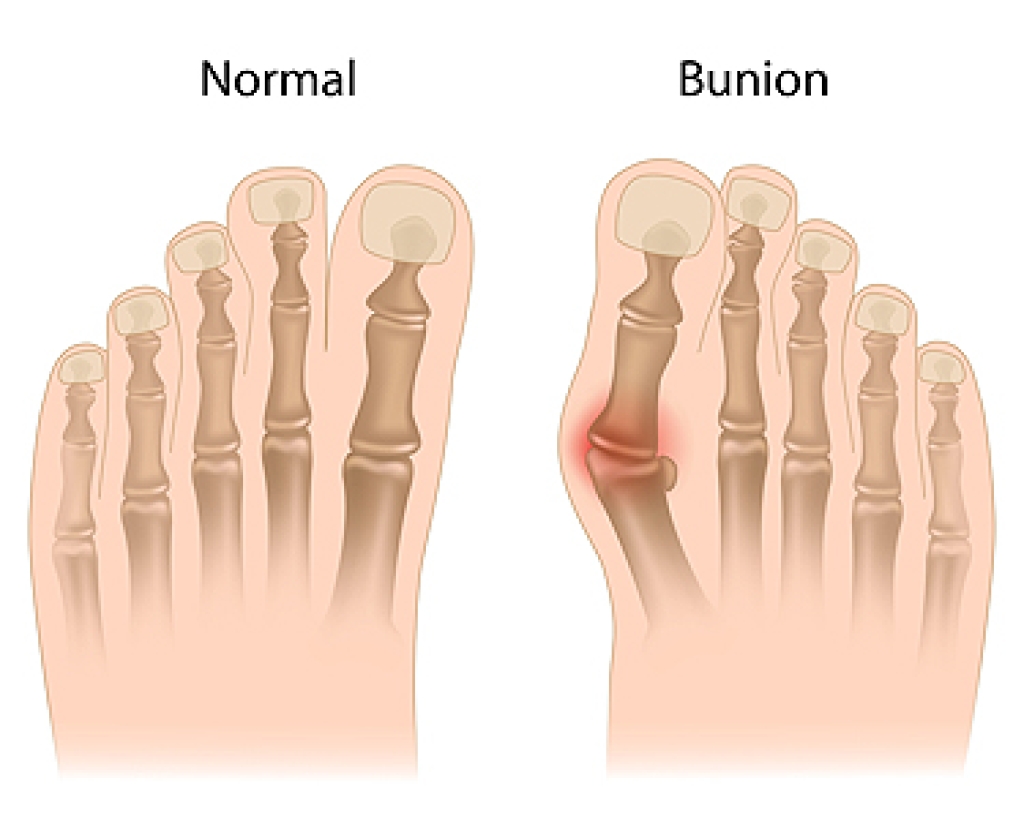
A bunion is a bony bump that forms at the base of the big toe. It develops when the top of the big toe leans toward the second toe, shifting the joint out of alignment. The protruding area can become red, swollen, or tender. Patients can develop stiffness, calluses, or pain when walking. A bunion can make it difficult to find shoes that fit. Inherited foot shape can raise the risk. Flat feet and joint conditions can contribute. Shoes do not cause a bunion, but those with a narrow toe box and high heels can place added pressure on the joint.

A podiatrist can examine the foot, watch how it moves, and assess the position of the big toe. X-rays can show the joint alignment and the severity of the bunion. Treatment focuses on reducing pain and protecting the joint. A podiatrist can recommend shoes with a wide toe box, proper support, and enough depth. Custom orthotics can improve pressure distribution and help the foot function well. Padding or a toe spacer can reduce rubbing inside the shoe. When swelling or irritation is present, the podiatrist can provide guidance on managing those symptoms. These measures cannot remove the bony bump, but they can improve comfort and make activities easier.

Surgery is considered when pain continues despite appropriate care or the bunion greatly limits activity. The procedure chosen depends on the joint, the angle of the bones, and the patient’s overall health. Surgery can realign the toe, remove the enlarged bone, or correct nearby soft tissues. A podiatrist can explain the expected recovery period and discuss the benefits and risks. Early evaluation is useful because bunion pain can change the way a person walks. This can place extra stress on the smaller toes, the ball of the foot, or the opposite leg. If you have foot pain from a bunion, it is suggested that you schedule an appointment with a podiatrist for a diagnosis appropriate and treatment.

If you are suffering from bunion pain, contact the foot specialists of Podiatry Associates of Belleville. Our doctors can provide the care you need to keep you pain-free and on your feet.

What Is a Bunion?

Bunions are painful bony bumps that usually develop on the inside of the foot at the joint of the big toe. As the deformity increases over time, it may become painful to walk and wear shoes. Women are more likely to exacerbate existing bunions since they often wear tight, narrow shoes that shift their toes together. Bunion pain can be relieved by wearing wider shoes with enough room for the toes.

Causes

  • Genetics – some people inherit feet that are more prone to bunion development
  • Inflammatory Conditions - rheumatoid arthritis and polio may cause bunion development

Symptoms

  • Redness and inflammation
  • Pain and tenderness
  • Callus or corns on the bump
  • Restricted motion in the big toe

In order to diagnose your bunion, your podiatrist may ask about your medical history, symptoms, and general health. Your doctor might also order an x-ray to take a closer look at your feet. Nonsurgical treatment options include orthotics, padding, icing, changes in footwear, and medication. If nonsurgical treatments don’t alleviate your bunion pain, surgery may be necessary.

If you have any questions, please feel free to contact our office located in Belleville, NJ . We offer the newest diagnostic and treatment technologies for all your foot care needs.

Read more about Bunions

Do Your Child's Feet Hurt?

Have your child's feet been examined lately? Healthy feet are happy feet. If your child is complaining of foot pain, it may be a sign of underlying problems.

Plantar Fasciitis Brings Sharp Pain to the Heel

Plantar fasciitis develops when the plantar fascia becomes irritated and swollen. This band of tissue is a ligament that runs from the heel bone toward the toes. It supports the arch and helps absorb force when walking. Repeated strain can cause tiny tears that lead to pain near the bottom of the heel. The discomfort is sharpest with the first steps after getting out of bed. It can also return after sitting for a long period of time. Stiffness and swelling can occur, and the pain may increase after exercise.

Several factors can place too much stress on the plantar fascia. Running, jumping, and standing for long periods of time on a hard surface can increase the strain. A sudden increase in activity can also trigger symptoms of plantar fasciitis. Other risk factors include tight calf muscles, excess body weight, and being between ages 40 and 60. Flat feet or high arches can change how pressure moves through the foot. Although heel spurs may appear on an X-ray, these bony growths are not always the source of pain. An exam from a podiatrist helps distinguish plantar fasciitis from a stress fracture, nerve problem, or other cause of heel discomfort.

A podiatrist can examine the tender area and check foot and ankle movement. The visit includes a review of activity levels, shoes, and when symptoms occur. X-rays can help rule out a fracture or bone problem. A podiatrist can recommend properly fitted shoes or prescribe custom orthotics to improve support and reduce pressure. Treatment also includes taping or wearing a night splint that gently holds the foot in a better position while sleeping. Other office-based treatments can be discussed for persistent pain. Surgery is rarely required. It is considered only when continued care has not provided expected relief. If you have heel pain, it is suggested that you schedule an appointment with a podiatrist who can accurately diagnose and treat plantar fasciitis.

Plantar fasciitis is a common foot condition that is often caused by a strain injury. If you are experiencing heel pain or symptoms of plantar fasciitis, contact the foot specialists from Podiatry Associates of Belleville. Our doctors can provide the care you need to keep you pain-free and on your feet.

What Is Plantar Fasciitis?

Plantar fasciitis is one of the most common causes of heel pain. The plantar fascia is a ligament that connects your heel to the front of your foot. When this ligament becomes inflamed, plantar fasciitis is the result. If you have plantar fasciitis you will have a stabbing pain that usually occurs with your first steps in the morning. As the day progresses and you walk around more, this pain will start to disappear, but it will return after long periods of standing or sitting.

What Causes Plantar Fasciitis?

  • Excessive running
  • Having high arches in your feet
  • Other foot issues such as flat feet
  • Pregnancy (due to the sudden weight gain)
  • Being on your feet very often

There are some risk factors that may make you more likely to develop plantar fasciitis compared to others. The condition most commonly affects adults between the ages of 40 and 60. It also tends to affect people who are obese because the extra pounds result in extra stress being placed on the plantar fascia.

Prevention

  • Take good care of your feet – Wear shoes that have good arch support and heel cushioning.
  • Maintain a healthy weight
  • If you are a runner, alternate running with other sports that won’t cause heel pain

There are a variety of treatment options available for plantar fasciitis along with the pain that accompanies it. Additionally, physical therapy is a very important component in the treatment process. It is important that you meet with your podiatrist to determine which treatment option is best for you.

If you have any questions, please feel free to contact our office located in Belleville, NJ . We offer the newest diagnostic and treatment technologies for all your foot care needs.


Read more about Plantar Fasciitis

Pickleball Foot Protection Starts With the Right Shoes

Pickleball is a fun way to stay active, but your feet and ankles work hard during every game. Quick starts, sudden stops, and side-to-side movements place repeated stress on the feet. Wearing the right pickleball shoes can help protect your feet while improving comfort and confidence on the court. Good shoes should provide support, stability, and cushioning. They should also fit well and allow your toes enough room to move naturally.

The wrong shoes can make pickleball harder on your feet. Running shoes are designed mainly for forward movement and may not provide enough side-to-side support. Shoes with poor traction can increase the risk of slipping or twisting an ankle. Inadequate cushioning may contribute to heel pain or soreness after playing. Other possible injuries include ankle sprains, blisters, and stress injuries. Players who regularly play on hard courts may notice symptoms sooner when their footwear does not provide enough protection.

Choosing shoes made for court sports can help address these concerns. Look for a secure fit that keeps your heel from sliding. A stable sole can help support quick lateral movements. Reliable grip can improve traction during stops and changes in direction. Cushioning can reduce some of the impact placed on your feet during play. Additionally, comfortable materials can also help prevent rubbing and pressure points. Replace worn shoes when the tread becomes smooth or the cushioning feels less supportive.

If foot or ankle pain develops, a podiatrist can examine your feet and determine what may be causing the problem. Depending on the injury, treatment may include activity changes, supportive footwear, or other appropriate care. The podiatrist may also evaluate your walking pattern and footwear needs to help reduce future problems. If you have foot or ankle injuries from playing pickleball, it is suggested that you consult a podiatrist for effective relief and injury prevention tips.

Ankle and foot injuries are common among athletes and in many sports. They can be caused by several problems and may be potentially serious. If you are feeling pain or think you were injured in a sporting event or when exercising, consult with the foot specialists from Podiatry Associates of Belleville. Our doctors will assess your condition and provide you with quality foot and ankle treatment.

Common Injuries

The most common injuries that occur in sporting activities include:

  • Achilles Tendonitis
  • Achilles Tendon Rupture
  • Ankle Sprains
  • Broken Foot
  • Plantar Fasciitis
  • Stress Fractures
  • Turf Toe

Symptoms

Symptoms vary depending upon the injury and in some cases, there may be no symptoms at all. However, in most cases, some form of symptom is experienced. Pain, aching, burning, bruising, tenderness, tightness or stiffness, sensation loss, difficulty moving, and swelling are the most common symptoms.

Treatment

Just as symptoms vary depending upon the injury, so do treatment options. A common treatment method is known as the RICE method. This method involves rest, applying ice, compression and elevating the afflicted foot or ankle. If the injury appears to be more serious, surgery might be required, such as arthroscopic or reconstructive surgery. Lastly, rehabilitation or therapy might be needed to gain full functionality in the afflicted area. Any discomfort experienced by an athlete must be evaluated by a licensed, reputable medical professional.  

If you have any questions please contact our office located in Belleville, NJ . We offer the newest diagnostic and treatment technologies for all your foot and ankle needs.

Read more about Sports Related Foot and Ankle Injuries