
Plantar warts are small growths that develop on parts of the feet that bear weight. They're typically found on the bottom of the foot. Don't live with plantar warts, and call us today!
Plantar warts are small growths that develop on parts of the feet that bear weight. They're typically found on the bottom of the foot. Don't live with plantar warts, and call us today!
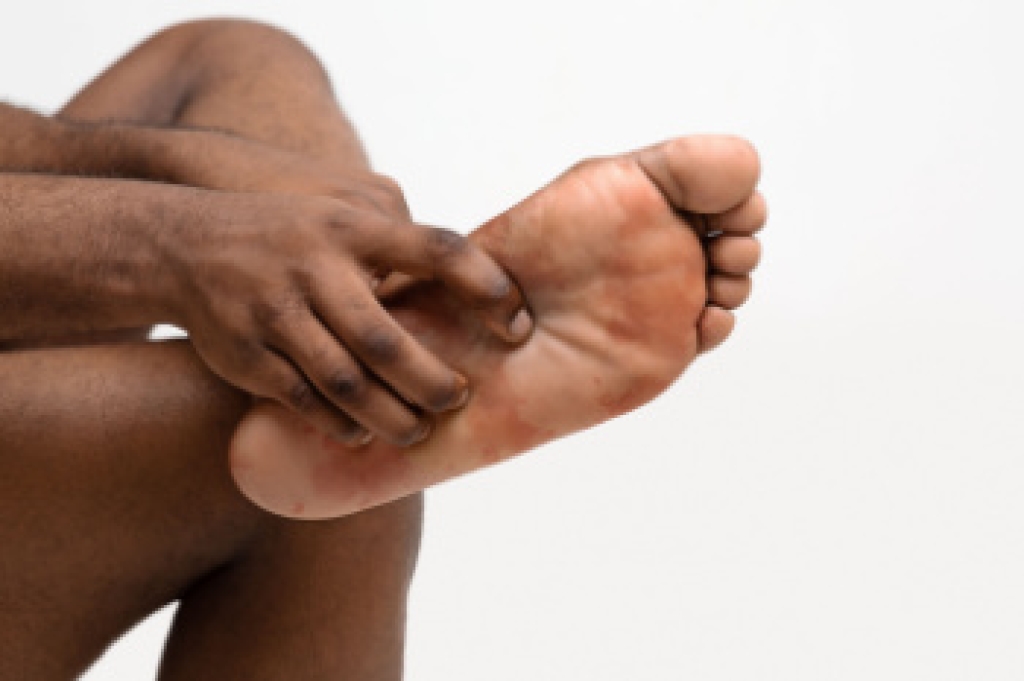
Plantar fasciitis is a main cause of heel pain that affects the thick band of tissue along the bottom of the foot. It often begins with sharp discomfort during the first steps in the morning or after periods of rest. Pain may ease with movement but return after long periods of standing. The heel may feel tender, tight, or slightly swollen, and pressure along the arch can increase discomfort. Causes include repetitive strain, poor foot support, and tight calf muscles. Abnormal foot structure that places excess stress on the tissue may also contribute. A podiatrist can evaluate foot mechanics, confirm the diagnosis, and develop a treatment plan tailored to the patient. Care options include supportive footwear, custom orthotics, and targeted exercises to reduce tension and improve flexibility. Early treatment can help prevent chronic pain and further injury. If you think you may have plantar fasciitis, it is suggested that you make an appointment with a podiatrist.
Plantar fasciitis can be very painful and inconvenient. If you are experiencing heel pain or symptoms of plantar fasciitis, contact the foot specialists from Podiatry Associates of Belleville. Our doctors can provide the care you need to keep you pain-free and on your feet.
What Is Plantar Fasciitis?
Plantar fasciitis is the inflammation of the thick band of tissue that runs along the bottom of your foot, known as the plantar fascia, and causes mild to severe heel pain.
What Causes Plantar Fasciitis?
How Can It Be Treated?
While very treatable, plantar fasciitis is definitely not something that should be ignored. Especially in severe cases, speaking to your doctor right away is highly recommended to avoid complications and severe heel pain. Your podiatrist can work with you to provide the appropriate treatment options tailored to your condition.
If you have any questions, please feel free to contact our office located in Belleville, NJ . We offer the newest diagnostic and treatment technologies for all your foot care needs.

Regaining strength after spraining an ankle is essential for stability and prevention of repeat injuries. A sprain stretches or tears ligaments, the strong bands that hold the joint together, leading to weakness and poor control of movement. Early recovery focuses on improving range of motion, meaning how well the ankle can move in different directions. As healing progresses, strengthening exercises target the muscles and tendons that support the joint. This helps the ankle handle weight and movement again. Balance training is also important, as it improves coordination and reduces the risk of chronic sprains. A podiatrist can guide this process by evaluating joint function, recommending supportive bracing, and prescribing custom orthotics to improve alignment and reduce strain. They may also design a structured rehabilitation plan to rebuild strength safely and effectively. If you have sprained an ankle, it is suggested that you schedule an appointment with a podiatrist for appropriate treatment.
Ankle sprains are common but need immediate attention. If you need your feet checked, contact the foot specialists from Podiatry Associates of Belleville. Our doctors can provide the care you need to keep you pain-free and on your feet.
How Does an Ankle Sprain Occur?
Ankle sprains take place when the ligaments in your ankle are torn or stretched beyond their limits. There are multiple ways that the ankle can become injured, including twisting or rolling over onto your ankle, putting undue stress on it, or causing trauma to the ankle itself.
What Are the Symptoms?
Preventing a Sprain
Treatment of a Sprain
Treatment of a sprain depends on the severity. Many times, people are told to rest and remain off their feet completely, while others are given an air cast. If the sprain is very severe, surgery may be required.
If you have suffered an ankle sprain previously, you may want to consider additional support such as a brace and regular exercises to strengthen the ankle.
If you have any questions please feel free to contact our office located in Belleville, NJ . We offer the newest diagnostic tools and technology to treat your foot and ankle needs.
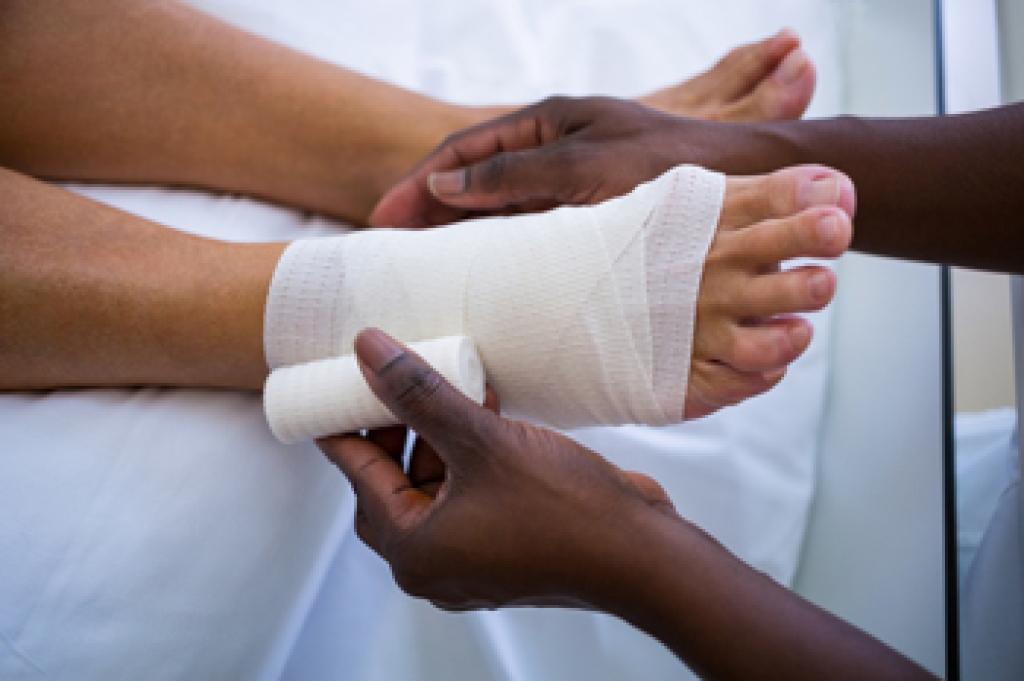
Negative pressure wound therapy is an advanced method used to help foot wounds heal more efficiently. It works by applying gentle suction through a sealed dressing placed over the wound. This controlled suction removes excess fluid, reduces swelling, and helps improve blood flow to the area. Better circulation brings oxygen and nutrients that support healing. The therapy also promotes the growth of new tissue, which fills in the wound over time. Keeping the wound clean and reducing bacteria lowers the risk of infection. A podiatrist carefully prepares the wound, selects the proper dressing, and adjusts pressure levels based on the wound type to ensure safe care. This treatment is often used for slow-healing wounds, including ulcers or surgical sites. If you have foot wounds that are slow to heal, it is suggested that you make an appointment with a podiatrist for treatment.
Wound care is an important part in dealing with diabetes. If you have diabetes and a foot wound or would like more information about wound care for diabetics, consult with the foot specialists from Podiatry Associates of Belleville. Our doctors will assess your condition and provide you with quality foot and ankle treatment.
What Is Wound Care?
Wound care is the practice of taking proper care of a wound. This can range from the smallest to the largest of wounds. While everyone can benefit from proper wound care, it is much more important for diabetics. Diabetics often suffer from poor blood circulation which causes wounds to heal much slower than they would in a non-diabetic.
What Is the Importance of Wound Care?
While it may not seem apparent with small ulcers on the foot, for diabetics, any size ulcer can become infected. Diabetics often also suffer from neuropathy, or nerve loss. This means they might not even feel when they have an ulcer on their foot. If the wound becomes severely infected, amputation may be necessary. Therefore, it is of the upmost importance to properly care for any and all foot wounds.
How to Care for Wounds
The best way to care for foot wounds is to prevent them. For diabetics, this means daily inspections of the feet for any signs of abnormalities or ulcers. It is also recommended to see a podiatrist several times a year for a foot inspection. If you do have an ulcer, run the wound under water to clear dirt from the wound; then apply antibiotic ointment to the wound and cover with a bandage. Bandages should be changed daily and keeping pressure off the wound is smart. It is advised to see a podiatrist, who can keep an eye on it.
If you have any questions please contact our office located in Belleville, NJ . We offer the newest diagnostic and treatment technologies for all your foot and ankle needs.

Athlete’s foot can affect children and teens, especially those who are active, wear closed shoes for long periods of time, or spend time in locker rooms and around pools. This condition is caused by a fungus that thrives in warm, moist environments. It may appear as peeling skin, redness, itching, or small cracks between the toes. Some young people may also have dryness or mild discomfort on the soles of the feet. Because symptoms can be subtle, it may go unnoticed at first. Prevention starts with keeping feet clean and dry. Encourage kids to change socks daily, choose breathable shoes, and allow shoes to air out between uses. Wearing flip flops in public wet areas can also help reduce exposure. If you notice signs of athlete’s foot in your children, it is suggested that you see a podiatrist for a proper diagnosis and appropriate treatment.
Athlete’s foot is an inconvenient condition that can be easily reduced with the proper treatment. If you have any concerns about your feet and ankles, contact the foot specialists from Podiatry Associates of Belleville. Our doctors will treat your foot and ankle needs.
Athlete’s Foot: The Sole Story
Athlete's foot, also known as tinea pedis, can be an extremely contagious foot infection. It is commonly contracted in public changing areas and bathrooms, dormitory style living quarters, around locker rooms and public swimming pools, or anywhere your feet often come into contact with other people.
Solutions to Combat Athlete’s Foot
Athlete’s foot can cause many irritating symptoms such as dry and flaking skin, itching, and redness. Some more severe symptoms can include bleeding and cracked skin, intense itching and burning, and even pain when walking. In the worst cases, Athlete’s foot can cause blistering as well. Speak to your podiatrist for a better understanding of the different causes of Athlete’s foot, as well as help in determining which treatment options are best for you.
If you have any questions please feel free to contact our office located in Belleville, NJ . We offer the newest diagnostic and treatment technologies for all your foot and ankle needs.
Connect With Us