
If you are suffering from tenderness, pain, or stiffness in the joints of your feet or ankles, call us to schedule an appointment.
If you are suffering from tenderness, pain, or stiffness in the joints of your feet or ankles, call us to schedule an appointment.
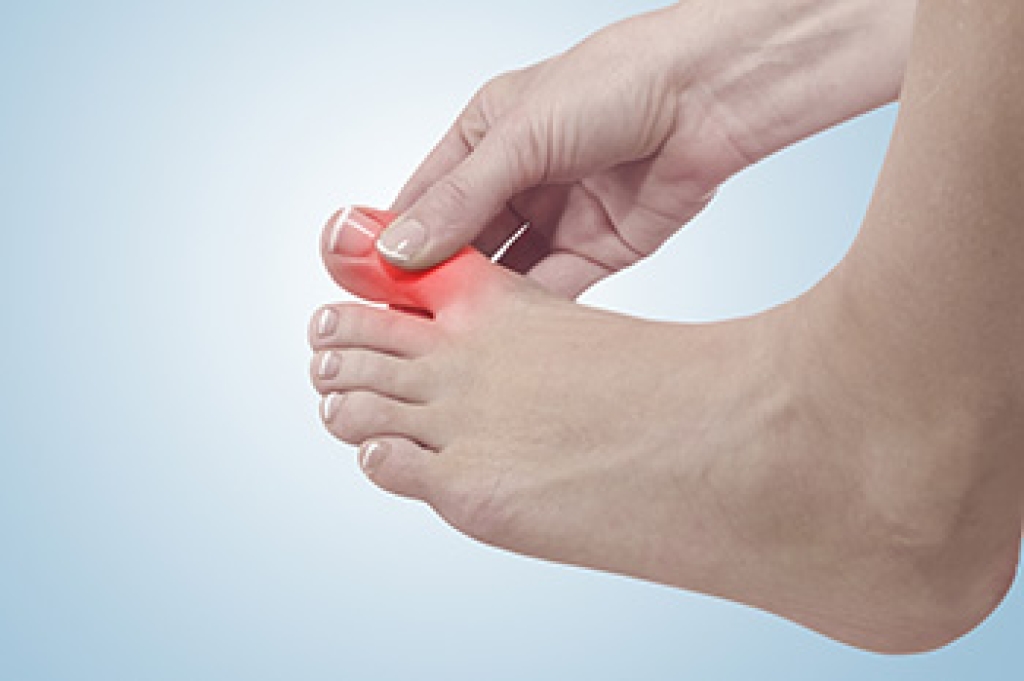
Hallux limitus and hallux rigidus are conditions that affect movement in the joint at the base of the big toe. Hallux limitus usually begins with reduced flexibility, while hallux rigidus develops when the joint becomes severely stiff and painful. Many people notice discomfort while walking, bending the toe, climbing stairs, or pushing off during movement. Swelling, aching, and a bump on the top of the joint may also appear as the condition progresses. Over time, cartilage inside the joint can wear down, leading to inflammation and bone changes that make motion more difficult. Some patients change the way they walk to avoid pain, which can place added strain on the feet, knees, hips, or lower back. A podiatrist can evaluate joint function, order imaging studies, and recommend treatments such as wearing supportive footwear, custom orthotics, anti-inflammatory care, or surgery, when necessary. It is strongly suggested that individuals with persistent big toe stiffness or pain visit a podiatrist for proper treatment.
Toe pain can disrupt your daily activities. If you have any concerns, contact the foot specialists of Podiatry Associates of Belleville. Our doctors can provide the care you need to keep you pain-free and on your feet.
What Causes Toe Pain?
Most severe toe pain is caused due to a sports injury, trauma from dropping something heavy on the toe, or bumping into something rigid. Other problems can develop over time for various reasons.
Toe pain can be caused by one or more ailments. The most common include:
When to See a Podiatrist
Diagnosis
In many cases the cause of toe pain is obvious, but in others, a podiatrist may want to use more advanced methods to determine the problem. These can range from simple visual inspections and sensation tests to X-rays and MRI scans. Prior medical history, family medical history, and any recent physical traumatic events will all be taken into consideration for a proper diagnosis.
Treatment
Treatments for toe pain and injuries vary and may include shoe inserts, padding, taping, medicines, injections, and in some cases, surgery. If you believe that you have broken a toe, please see a podiatrist as soon as possible.
If you have any questions please contact our office located in Belleville, NJ . We offer the newest diagnostic and treatment technologies for all your foot and ankle needs.
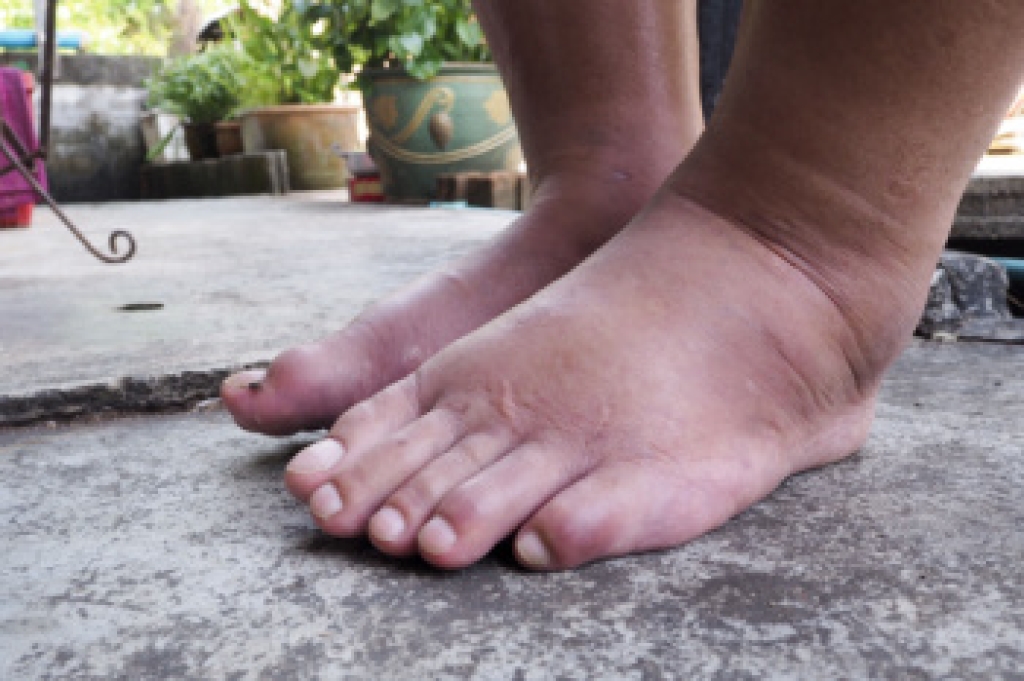
Swelling of the feet, also known as edema, occurs when fluid builds up in the tissues. The feet may appear puffy, stretched, or shiny. The skin may feel tight or leave an indentation when pressed. Some people notice discomfort, heaviness, or difficulty fitting into their shoes, especially later in the day. Causes for swollen feet include standing or sitting for long periods of time, injury, or pregnancy. Additionally, underlying conditions that affect circulation, the heart, kidneys, or lymphatic system can also contribute to swelling. A podiatrist can examine the feet and ankles, assess circulation, and help determine whether the swelling is localized or related to a broader medical issue. Treatment options include elevation, compression, and supportive footwear. Targeted exercises may be suggested to encourage fluid movement. Identifying the cause is important to guide proper care and prevent complications. If you have swollen feet, it is suggested that you schedule an appointment with a podiatrist for appropriate relief and management tips.
Swollen feet can be a sign of an underlying condition. If you have any concerns, contact the foot specialists of Podiatry Associates of Belleville. Our doctors can provide the care you need to keep you pain-free and on your feet.
Swollen feet are a common ailment among pregnant women and people who stand or sit for extended periods. Aging may increase the possibility of swollen feet and patients who are obese often notice when their feet are swelling too. There may be medical reasons why swollen feet occur:
Swollen feet can also be caused by bone and tendon conditions, including fractures, arthritis, and tendinitis. Additionally, there may be skin and toenail conditions and an infection may cause the feet to swell. Patients who take medicine to treat high blood pressure may be prone to getting swollen feet.
Many patients elevate their feet to help relieve the swelling and this is generally a temporary remedy. When a podiatrist is consulted the reason behind the swelling can be uncovered and subsequently treated.
If you have any questions please contact our office located in Belleville, NJ . We offer the newest diagnostic and treatment technologies for all your foot and ankle needs.

Foot and ankle pain in children can happen for many reasons, especially during growth and sports activities. Repeated running, jumping, and minor injuries often place stress on developing bones, joints, and soft tissue. Some children may have heel pain from growth plate irritation. Others may develop pain from flat feet, ankle sprains, or overuse injuries. Younger children may limp or avoid putting weight on the foot, while older children can usually point to the exact area of pain. Swelling, stiffness, or pain that gets worse with activity should not be ignored. A podiatrist can examine how the child walks, check foot structure and joint movement, and order imaging tests to confirm the cause. Treatment includes custom orthotics, bracing, or other care to reduce pain and protect healthy growth. If your child exhibits foot or ankle pain, it is suggested that you schedule an appointment with a podiatrist for expert advice and guidance.
The health of a child’s feet is vital to their overall well-being. If you have any questions regarding foot health, contact the foot specialists of Podiatry Associates of Belleville. Our doctors can provide the care you need to keep you pain-free and on your feet.
Tips for Keeping Children's Feet Healthy
If you have any questions, please feel free to contact our office located in Belleville, NJ . We offer the newest diagnostic and treatment technologies for all your foot care needs.
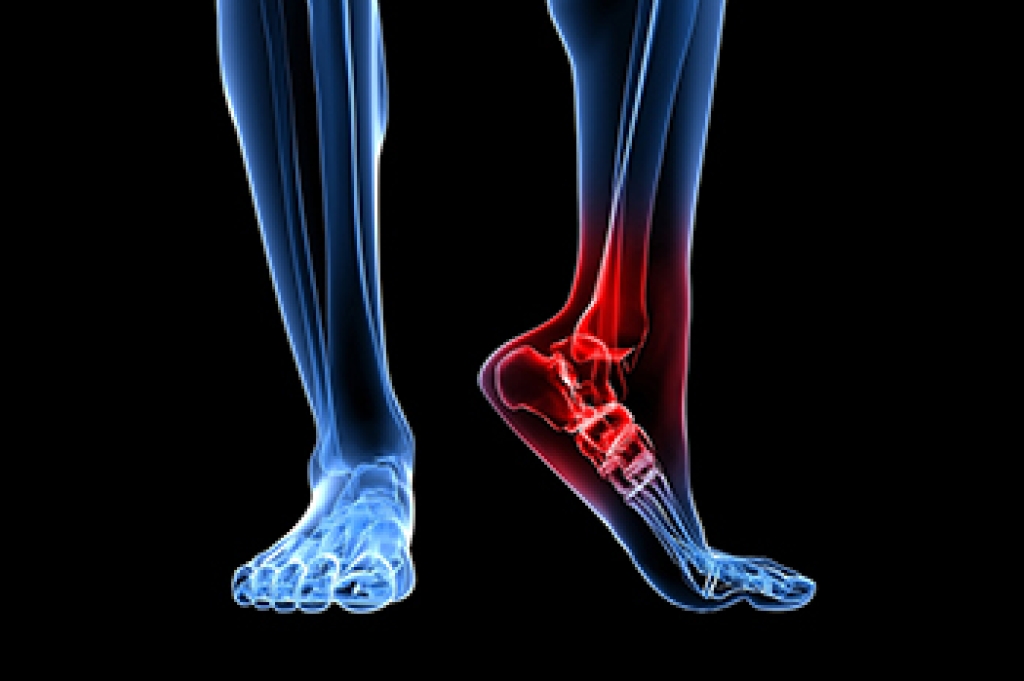
Diagnosing a heel stress fracture can be challenging because early symptoms often resemble other causes of heel pain. A heel stress fracture is a small crack in the bone caused by repeated force. Patients may have deep, aching pain that worsens with standing or walking and improves with rest. During an exam, a podiatrist checks for tenderness, swelling, and pain with pressure on the heel. Standard X-rays are often the first step, but they may appear normal in early stages. If pain continues, advanced imaging like an MRI can detect subtle bone injury and confirm the diagnosis. A podiatrist can evaluate symptoms, order appropriate imaging, and determine the severity of the heel stress fracture. Treatment plans include reducing pressure on the injured area with a walking boot or brace. This approach, along with footwear changes and careful monitoring, helps promote healing and prevent complications. If you have constant heel pain, it is suggested that you make an appointment with a podiatrist for help.
Stress fractures occur when there is a tiny crack within a bone. To learn more, contact the foot specialists from Podiatry Associates of Belleville. Our doctors can provide the care you need to keep you pain free and on your feet.
How Are They Caused?
Stress fractures are the result of repetitive force being placed on the bone. Since the lower leg and feet often carry most of the body’s weight, stress fractures are likely to occur in these areas. If you rush into a new exercise, you are more likely to develop a stress fracture since you are starting too much, too soon. Pain resulting from stress fractures may go unnoticed at first, however it may start to worsen over time.
Risk Factors
Stress fractures do not always heal properly, so it is important that you seek help from a podiatrist if you suspect you may have one. Ignoring your stress fracture may cause it to worsen, and you may develop chronic pain as well as additional fractures.
If you have any questions please contact our office located in Belleville, NJ . We offer the newest diagnostic and treatment technologies for all your foot and ankle needs.
Connect With Us