Items filtered by date: February 2024
Facts About Rheumatoid Arthritis in the Feet

Rheumatoid arthritis, or RA, is an autoimmune disorder that affects millions of people worldwide, causing chronic inflammation, pain, and stiffness in the joints. When it comes to RA, the feet are often overlooked despite being commonly affected. In fact, up to 90 percent of individuals with RA will experience symptoms in their feet and ankles at some point. This condition can lead to deformities such as bunions, hammertoes, and claw toes, as well as the formation of painful nodules called rheumatoid nodules. Additionally, RA can erode the cartilage and bone within the joints, resulting in severe pain and difficulty walking. Foot pain and deformities can significantly impair mobility and diminish quality of life for individuals with RA. Early diagnosis and aggressive treatment are essential for managing symptoms and preventing irreversible damage to the joints. If your feet are showing signs of rheumatoid arthritis, it is strongly suggested that you are under the care of a podiatrist who can provide you with effective relief measures.
Because RA affects more than just your joints, including the joints in your feet and ankles, it is important to seek early diagnosis from your podiatrist if you feel like the pain in your feet might be caused by RA. For more information, contact the foot specialists of Podiatry Associates of Belleville. Our doctors will assist you with all of your podiatric concerns.
What Is Rheumatoid Arthritis?
Rheumatoid Arthritis (RA) is an autoimmune disorder in which the body’s own immune system attacks the membranes surrounding the joints. Inflammation of the lining and eventually the destruction of the joint’s cartilage and bone occur, causing severe pain and immobility.
Rheumatoid Arthritis of the Feet
Although RA usually attacks multiple bones and joints throughout the entire body, almost 90 percent of cases result in pain in the foot or ankle area.
Symptoms
- Swelling and pain in the feet
- Stiffness in the feet
- Pain on the ball or sole of feet
- Joint shift and deformation
Diagnosis
Quick diagnosis of RA in the feet is important so that the podiatrist can treat the area effectively. Your doctor will ask you about your medical history, occupation, and lifestyle to determine the origin of the condition. Rheumatoid Factor tests help to determine if someone is affected by the disease.
If you have any questions please feel free to contact our office located in Belleville, NJ . We offer the newest diagnostic and treatment technologies for all your foot and ankle needs.
Stretching Exercises The May Improve Plantar Flexion

Plantar flexion, the action of pointing the toes away from the body, is vital for everyday activities like walking and driving. Weakness in plantar flexion can lead to changes in gait, tightness in the lower back muscles, and stiffness in the calf muscles. Incorporating specific foot exercises into your routine is a good way to improve plantar flexion. Try the downward ankle stretch, holding the foot in a pointed position for 30 to 60 seconds while seated or standing, and rotate the ankle for added benefit. Another effective exercise involves tracing the alphabet with each foot while seated, promoting muscle engagement and flexibility. For added resistance, loop an exercise band over the toes, slowly pointing and flexing the feet against the resistance. Performing these exercises three to five times per week can improve plantar flexion strength and enhance lower limb function. Strengthening plantar flexion can contribute to better mobility, reduced discomfort, and improved overall quality of life. Before starting a new exercise program, particularly if you have pre-existing foot or ankle conditions, it is suggested that you consult a podiatrist.
Exercising your feet regularly with the proper foot wear is a great way to prevent injuries and build strength. If you have any concerns about your feet, contact the foot specialists from Podiatry Associates of Belleville. Our doctors can provide the care you need to keep you pain-free and on your feet.
Exercise for Your Feet
Exercise for your feet can help you gain strength, mobility and flexibility in your feet. They say that strengthening your feet can be just as rewarding as strengthening another part of the body. Your feet are very important, and we often forget about them in our daily tasks. But it is because of our feet that are we able to get going and do what we need to. For those of us fortunate enough to not have any foot problems, it is an important gesture to take care of them to ensure good health in the long run.
Some foot health exercises can include ankle pumps, tip-toeing, toe rises, lifting off the floor doing reps and sets, and flexing the toes. It is best to speak with Our doctors to determine an appropriate regimen for your needs. Everyone’s needs and bodies are different, and the activities required to maintain strength in the feet vary from individual to individual.
Once you get into a routine of doing regular exercise, you may notice a difference in your feet and how strong they may become.
If you have any questions please feel free to contact our office located in Belleville, NJ . We offer the newest diagnostic and treatment technologies for all your foot and ankle needs.
Why Does My Heel Hurt?
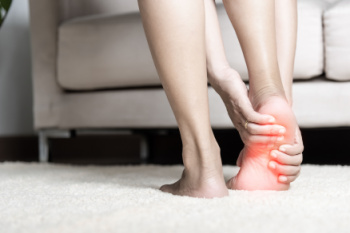
Heel pain, a common ailment affecting people of all ages, can be attributed to various factors and conditions. One prevalent cause is plantar fasciitis, where the thick band of tissue connecting the heel bone to the toes becomes inflamed due to excessive strain or overuse. This condition often manifests as stabbing pain in the bottom of the foot, especially with the first steps in the morning or after long periods of rest. Another reason behind heel pain is Achilles tendinitis, characterized by inflammation of the Achilles tendon, which connects the calf muscles to the heel bone. This condition typically results from overuse, sudden increases in physical activity, or inadequate stretching. Additionally, heel spurs, bony growths that develop on the underside of the heel bone, can cause discomfort and irritation, especially while walking or standing for extended periods. Understanding the underlying causes of heel pain is critical for a proper diagnosis and treatment. If you have heel pain, it is suggested that you visit a podiatrist who can accurately determine what the cause is, and guide you toward the treatment method that is right for you.
Many people suffer from bouts of heel pain. For more information, contact the foot specialists of Podiatry Associates of Belleville. Our doctors can provide the care you need to keep you pain-free and on your feet.
Causes of Heel Pain
Heel pain is often associated with plantar fasciitis. The plantar fascia is a band of tissues that extends along the bottom of the foot. A rip or tear in this ligament can cause inflammation of the tissue.
Achilles tendonitis is another cause of heel pain. Inflammation of the Achilles tendon will cause pain from fractures and muscle tearing. Lack of flexibility is also another symptom.
Heel spurs are another cause of pain. When the tissues of the plantar fascia undergo a great deal of stress, it can lead to ligament separation from the heel bone, causing heel spurs.
Why Might Heel Pain Occur?
- Wearing ill-fitting shoes
- Wearing non-supportive shoes
- Weight change
- Excessive running
Treatments
Heel pain should be treated as soon as possible for immediate results. Keeping your feet in a stress-free environment will help. If you suffer from Achilles tendonitis or plantar fasciitis, applying ice will reduce the swelling. Stretching before an exercise like running will help the muscles. Using all these tips will help make heel pain a condition of the past.
If you have any questions please contact our office located in Belleville, NJ . We offer the newest diagnostic and treatment technologies for all your foot and ankle needs.
Factors Behind a Fractured Pinky Toe
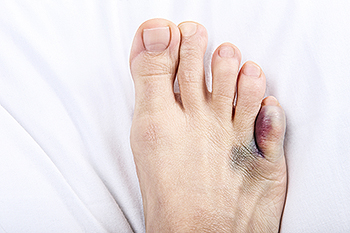
A broken pinky toe, though seemingly inconsequential, can result from a variety of unsuspecting factors. Accidental trauma, a common instigator, occurs when the toe collides with a hard surface or is subjected to sudden impact, often during missteps or collisions. Stubbing the toe, a seemingly minor occurrence, can also lead to fractures due to the vulnerability of the small bones in the pinky toe. Inadequate footwear, such as flip flops, provides little protection and leaves the toe vulnerable to injuries. Certain sports activities, where rapid direction changes or forceful impacts are common, increase the risk of pinky toe fractures. Additionally, underlying conditions such as osteoporosis, which weakens bones, may exacerbate the susceptibility to fractures. If you have endured a broken pinky toe, it is suggested that you visit a podiatrist who can offer the treatment options that are correct for you.
A broken toe can be very painful and lead to complications if not properly fixed. If you have any concerns about your feet, contact the foot specialists from Podiatry Associates of Belleville. Our doctors will treat your foot and ankle needs.
What to Know About a Broken Toe
Although most people try to avoid foot trauma such as banging, stubbing, or dropping heavy objects on their feet, the unfortunate fact is that it is a common occurrence. Given the fact that toes are positioned in front of the feet, they typically sustain the brunt of such trauma. When trauma occurs to a toe, the result can be a painful break (fracture).
Symptoms of a Broken Toe
- Throbbing pain
- Swelling
- Bruising on the skin and toenail
- The inability to move the toe
- Toe appears crooked or disfigured
- Tingling or numbness in the toe
Generally, it is best to stay off of the injured toe with the affected foot elevated.
Severe toe fractures may be treated with a splint, cast, and in some cases, minor surgery. Due to its position and the pressure it endures with daily activity, future complications can occur if the big toe is not properly treated.
If you have any questions please feel free to contact our office located in Belleville, NJ . We offer the newest diagnostic and treatment technologies for all your foot and ankle needs.