Items filtered by date: July 2024
Are Bunions Affecting Your Everyday Life?
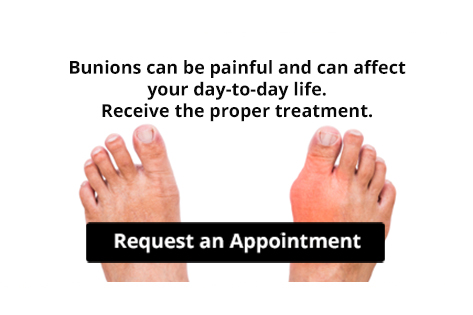
Have you noticed a bony protrusion on the side of your big toe? If so, you may have developed the foot condition known as a bunion. Don't let bunions interfere with your daily activities.
A Step-by-Step Approach for Foot Wound Care
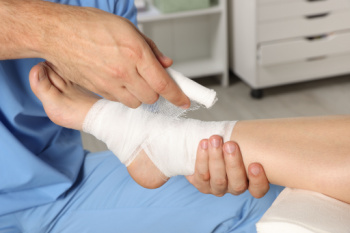
Caring for foot wounds involves a systematic approach to promote healing and prevent complications. Start by cleaning the wound gently with mild soap and lukewarm water, avoiding harsh scrubbing to prevent further damage. Rinse thoroughly and pat dry with a clean, soft cloth. Apply an antibiotic ointment to protect against infection and cover the wound with a sterile dressing or bandage. Change dressings daily or as instructed by a podiatrist to keep the wound clean and monitor healing progress. Elevate the injured foot when possible to reduce swelling and improve blood flow. Avoid putting weight on the wound and wear appropriate footwear to minimize pressure and friction. Additionally, regularly inspect the wound for signs of infection such as increased pain, redness, or pus, and seek prompt medical attention from a podiatrist if these symptoms occur. If you have developed a wound on your foot, it is strongly suggested that you schedule an appointment with this type of doctor.
Wound care is an important part in dealing with diabetes. If you have diabetes and a foot wound or would like more information about wound care for diabetics, consult with the foot specialists from Podiatry Associates of Belleville. Our doctors will assess your condition and provide you with quality foot and ankle treatment.
What Is Wound Care?
Wound care is the practice of taking proper care of a wound. This can range from the smallest to the largest of wounds. While everyone can benefit from proper wound care, it is much more important for diabetics. Diabetics often suffer from poor blood circulation which causes wounds to heal much slower than they would in a non-diabetic.
What Is the Importance of Wound Care?
While it may not seem apparent with small ulcers on the foot, for diabetics, any size ulcer can become infected. Diabetics often also suffer from neuropathy, or nerve loss. This means they might not even feel when they have an ulcer on their foot. If the wound becomes severely infected, amputation may be necessary. Therefore, it is of the upmost importance to properly care for any and all foot wounds.
How to Care for Wounds
The best way to care for foot wounds is to prevent them. For diabetics, this means daily inspections of the feet for any signs of abnormalities or ulcers. It is also recommended to see a podiatrist several times a year for a foot inspection. If you do have an ulcer, run the wound under water to clear dirt from the wound; then apply antibiotic ointment to the wound and cover with a bandage. Bandages should be changed daily and keeping pressure off the wound is smart. It is advised to see a podiatrist, who can keep an eye on it.
If you have any questions, please feel free to contact our office located in Belleville, NJ . We offer the newest diagnostic and treatment technologies for all your foot care needs.
Recognizing Signs of an Infected Foot Blister
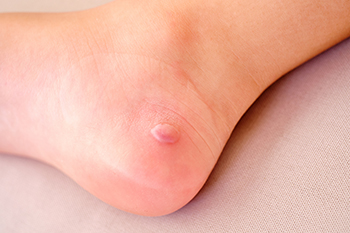
Identifying whether a foot blister is infected involves observing certain symptoms. Signs of infection can include increased pain, redness, warmth, and swelling surrounding the blister. The blister may also appear to be filled with pus or fluid that is cloudy or discolored. If the area around the blister becomes increasingly tender or painful, or if you notice red streaks spreading from the blister, these could indicate an infection spreading through the skin. Additionally, fever and chills may accompany a severe infection. Monitoring the blister closely and seeking medical attention if you notice any of these signs is vital. Prompt treatment with antibiotics or drainage may be necessary to prevent the infection from worsening. If you have a foot blister that has become infected, it is suggested that you promptly contact a podiatrist who can treat this condition.
Blisters may appear as a single bubble or in a cluster. They can cause a lot of pain and may be filled with pus, blood, or watery serum. If your feet are hurting, contact the foot specialists of Podiatry Associates of Belleville. Our doctors can provide the care you need to keep you pain-free and on your feet.
Foot Blisters
Foot blisters are often the result of friction. This happens due to the constant rubbing from shoes, which can lead to pain.
What Are Foot Blisters?
A foot blister is a small fluid-filled pocket that forms on the upper-most layer of the skin. Blisters are filled with clear fluid and can lead to blood drainage or pus if the area becomes infected.
Symptoms
(Blister symptoms may vary depending on what is causing them)
- Bubble of skin filled with fluid
- Redness
- Moderate to severe pain
- Itching
Prevention & Treatment
In order to prevent blisters, you should be sure to wear comfortable shoes with socks that cushion your feet and absorb sweat. Breaking a blister open may increase your chances of developing an infection. However, if your blister breaks, you should wash the area with soap and water immediately and then apply a bandage to the affected area. If your blisters cause severe pain it is important that you call your podiatrist right away.
If you have any questions, please feel free to contact our office located in Belleville, NJ . We offer the newest diagnostic and treatment technologies for all your foot care needs.
How Rheumatoid Arthritis Affects the Feet
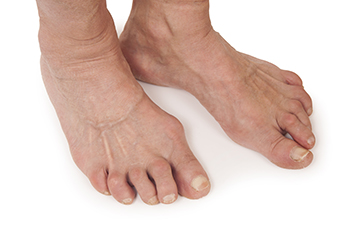
Rheumatoid arthritis, or RA, profoundly affects the feet, leading to significant discomfort and mobility issues. The inflammation caused by RA targets the joints, resulting in pain, swelling, and stiffness, particularly in the toes and the balls of the feet. This inflammation can damage the cartilage and bones over time, causing deformities such as hammertoes and bunions. The pain and swelling often make walking difficult and can lead to a reduced range of motion. Additionally, the arches of the feet may flatten, altering gait and balance. Effective management of RA in the feet involves a combination of medications to control inflammation and supportive footwear to reduce pressure on affected areas. If you have pain in your feet and toes, it is suggested that you confer with a podiatrist who can accurately diagnose and help you manage RA or whatever might be going on.
Because RA affects more than just your joints, including the joints in your feet and ankles, it is important to seek early diagnosis from your podiatrist if you feel like the pain in your feet might be caused by RA. For more information, contact the foot specialists of Podiatry Associates of Belleville. Our doctors will assist you with all of your podiatric concerns.
What Is Rheumatoid Arthritis?
Rheumatoid Arthritis (RA) is an autoimmune disorder in which the body’s own immune system attacks the membranes surrounding the joints. Inflammation of the lining and eventually the destruction of the joint’s cartilage and bone occur, causing severe pain and immobility.
Rheumatoid Arthritis of the Feet
Although RA usually attacks multiple bones and joints throughout the entire body, almost 90 percent of cases result in pain in the foot or ankle area.
Symptoms
- Swelling and pain in the feet
- Stiffness in the feet
- Pain on the ball or sole of feet
- Joint shift and deformation
Diagnosis
Quick diagnosis of RA in the feet is important so that the podiatrist can treat the area effectively. Your doctor will ask you about your medical history, occupation, and lifestyle to determine the origin of the condition. Rheumatoid Factor tests help to determine if someone is affected by the disease.
If you have any questions please feel free to contact our office located in Belleville, NJ . We offer the newest diagnostic and treatment technologies for all your foot and ankle needs.
Well-Fitting Shoes
 Finding the right shoe size is important for maintaining foot health and overall comfort. Wearing shoes that are too tight or loose can lead to a variety of foot problems, including blisters, calluses, bunions, and even long-term issues like hammertoes and plantar fasciitis. Properly fitting shoes provide the necessary support and cushioning to prevent these conditions and promote healthy foot mechanics. To find the right shoe size, measure your feet at the end of the day when they are at their largest. Ensure there is about a half-inch space between your longest toe and the end of the shoe. Consider the shoe's width, as shoes that are too narrow or wide can cause discomfort and foot deformities. It is also important to try on both shoes, as feet are rarely identical in size. A podiatrist can provide expert advice on the best shoe type for your foot shape and specific needs, helping you avoid common pitfalls, in addition to finding shoes that offer both comfort and support. It is suggested that you schedule an appointment with this type of medical professional for personalized advice and to address any existing foot issues.
It is important to find shoes that fit you properly in order to avoid a variety of different foot problems. For more information about treatment, contact the foot specialists from Podiatry Associates of Belleville. Our doctors will treat your foot and ankle needs.
Proper Shoe Fitting
Shoes have many different functions. They cushion our body weight, protect our feet, and allow us to safely play sports. You should always make sure that the shoes you wear fit you properly in order to avoid injuries and deformities such as: bunions, corns, calluses, hammertoes, plantar fasciitis, stress fractures, and more. It is important to note that although a certain pair of shoes might be a great fit for someone else, that doesn’t mean they will be a great fit for you. This is why you should always try on shoes before buying them to make sure they are worth the investment. Typically, shoes need to be replaced ever six months to one year of regular use.
Tips for Proper Shoe Fitting
- Select a shoe that is shaped like your foot
- Don’t buy shoes that fit too tight, expecting them to stretch to fit
- Make sure there is enough space (3/8” to ½”) for your longest toe at the end of each shoe when you are standing up
- Walk in the shoes to make sure they fit and feel right
- Don’t select shoes by the size marked inside the shoe, but by how the shoe fits your foot
The shoes you buy should always feel as good as they look. Shoes that fit properly will last longer, feel better, and improve your way of life each day.
If you have any questions, please feel free to contact our office located in Belleville, NJ . We offer the newest diagnostic and treatment technologies for all your foot care needs.
Common Causes of Heel Pain and Possible Relief Tactics
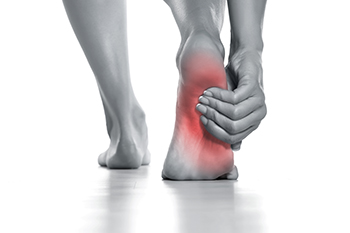
Heel pain is a frequent complaint that can significantly impact daily activities. One common cause is plantar fasciitis, which involves inflammation of the tissue that runs along the bottom of the foot, connecting the heel to the toes. Another cause is Achilles tendonitis, where the tendon connecting the calf muscles to the heel becomes irritated, often due to overuse or improper footwear. Heel spurs, which are bony growths on the heel bone, can also lead to pain and discomfort, especially during walking or standing for long periods. Conditions such as bursitis, arthritis, and nerve compression can contribute to heel pain as well. Addressing heel pain typically involves rest, wearing supportive footwear and possibly using orthotic shoe inserts. Stretching exercises can also provide relief. If you have heel pain, it is strongly suggested that you consult a podiatrist who can determine the cause and offer appropriate treatment solutions.
Many people suffer from bouts of heel pain. For more information, contact the foot specialists of Podiatry Associates of Belleville. Our doctors can provide the care you need to keep you pain-free and on your feet.
Causes of Heel Pain
Heel pain is often associated with plantar fasciitis. The plantar fascia is a band of tissues that extends along the bottom of the foot. A rip or tear in this ligament can cause inflammation of the tissue.
Achilles tendonitis is another cause of heel pain. Inflammation of the Achilles tendon will cause pain from fractures and muscle tearing. Lack of flexibility is also another symptom.
Heel spurs are another cause of pain. When the tissues of the plantar fascia undergo a great deal of stress, it can lead to ligament separation from the heel bone, causing heel spurs.
Why Might Heel Pain Occur?
- Wearing ill-fitting shoes
- Wearing non-supportive shoes
- Weight change
- Excessive running
Treatments
Heel pain should be treated as soon as possible for immediate results. Keeping your feet in a stress-free environment will help. If you suffer from Achilles tendonitis or plantar fasciitis, applying ice will reduce the swelling. Stretching before an exercise like running will help the muscles. Using all these tips will help make heel pain a condition of the past.
If you have any questions please contact our office located in Belleville, NJ . We offer the newest diagnostic and treatment technologies for all your foot and ankle needs.