Items filtered by date: April 2025
Choosing the Right Walking Shoes for Comfort and Support
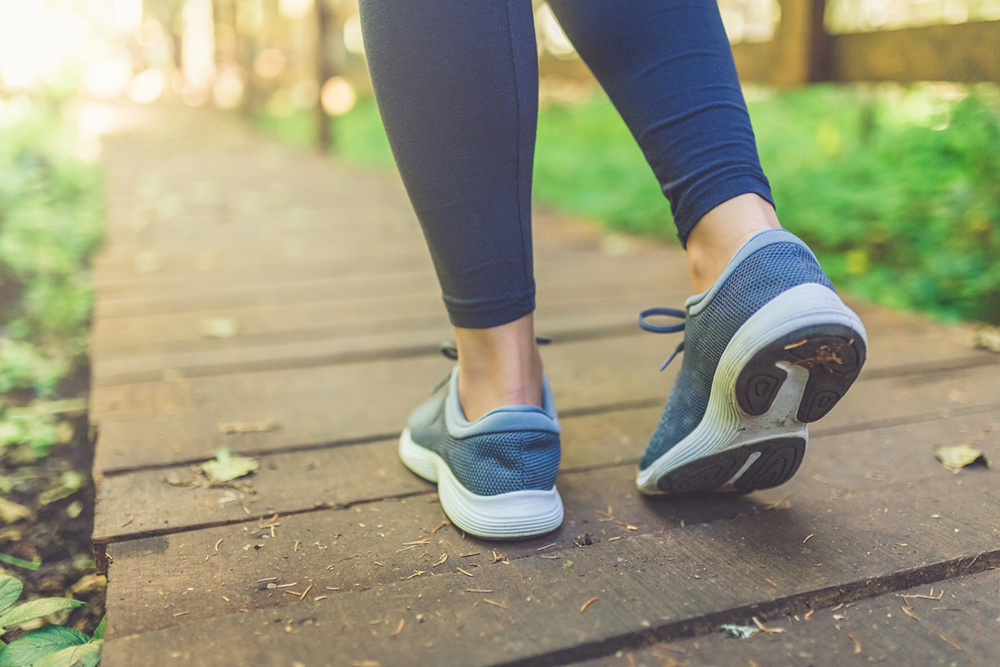
Choosing the right walking shoes is essential for maintaining foot health and overall comfort during daily activities. A good walking shoe should have a low heel to promote stability and reduce strain on the feet. It is important to ensure there is enough wiggle room in the toe box so that toes can move freely without feeling cramped. Taking a test walk around the store can help determine if the shoes provide adequate support, cushioning, and fit. It is also helpful to shop later in the day when feet are slightly swollen, as this reflects their true size during regular use. If you enjoy walking, it is important to wear the right type of shoes, or foot pain may develop. If this has happened to you, it is suggested that you contact a podiatrist who can treat various foot conditions.
Getting the right shoe size is an important part of proper foot health. Seek the assistance of the foot specialists from Podiatry Associates of Belleville. Our doctors will provide the care you need to keep you pain-free and on your feet.
Getting the Right Shoe Size
There are many people who wear shoes that are the incorrect size, negatively affecting their feet and posture. Selecting the right shoes is not a difficult process, so long as you keep several things in mind when it comes to choosing the right pair.
- When visiting the shoe store, use the tools available to measure your foot.
- Be sure there is ‘wiggle room’. There should be about an inch between your toes and the tip of your shoes.
- Do not always assume you are the same size, as manufacturers run differently.
- Purchase shoes later in the day, as your feet swell as the day progresses.
- If a shoe is not comfortable, it is not suitable. Most shoes can’t be ‘broken in’, and comfort should be the ultimate goal when it comes to choosing the right pair of shoes
As our feet hold our body weight and keep us moving, it is important to treat them right. Picking the right pair of shoes can provide your feet comfort and mobility without pain.
If you have any questions, please feel free to contact our office located in Belleville, NJ . We offer the newest diagnostic and treatment technologies for all your foot care needs.
Sources of Foot Pain Related to Aging
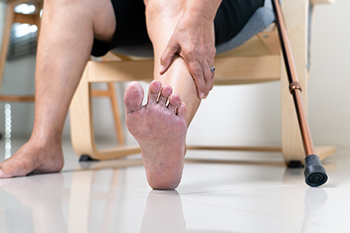
Foot pain is a common complaint as people age, often resulting from years of wear and tear on the feet, toes, and ankles. Age-related foot issues include bunions, stress fractures, osteoarthritis, plantar fasciitis, and collapsed arches. These conditions can arise as the soft tissues lose elasticity, bones weaken, and joint cartilage wears down. Women are especially prone to developing foot problems due to factors such as hormonal changes and a higher likelihood of bone density loss later in life. In addition, high heels, often worn for many years, can increase pressure on the front of the foot and contribute to deformities and pain. A podiatrist can diagnose the source of your foot pain and recommend medical treatment, including custom orthotic devices, bracing, or injections to reduce inflammation and relieve pressure. In some cases, surgery may be necessary to correct deformities or repair damaged tissues. If you have foot problems related to aging, it is suggested that you schedule an appointment with a podiatrist for appropriate treatment.
If you need your feet checked, contact the foot specialists of Podiatry Associates of Belleville. Our doctors will attend to all of your foot and ankle needs and provide you with quality treatment.
Geriatrics and Podiatry
When people age, some common issues that may occur are bone density loss, dry skin, poor circulation, and rough brittle nails. These issues may also affect your foot health if the necessary steps are not taken to alleviate the problems.
It is important to take care of your feet because feet that are injured or diseased can affect your overall health. Having painful feet hinders your ability to do daily activities or may decrease your willingness to do the things that you need to do.
Visiting Your Geriatrician
As we age, health problems become more likely, so it is essential to visit your doctor for check-ups to ensure that you are doing the best you can to take care of your health. It is recommended to check your feet frequently for any possible cuts, bruises, swelling, corns or any other irregularities.
Taking Care of Elderly Feet
Cracked or dry feet can be treated by applying moisturizer often. It is also important not to wear old socks because the older the sock is, the higher the possibility there will be that there is bacteria there. Wear fresh socks and make sure they fit properly.
Proper foot health means that you can have a more active lifestyle and you will not be bogged down by pain. Foot health also leads to good circulation, which is paramount for overall health.
If you have any questions, please feel free to contact our office located in Belleville, NJ . We offer the newest diagnostic tools and technology to treat your foot and ankle needs.
Symptoms and Risk Factors of Gout
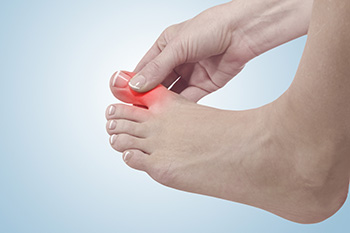
Gout is a form of inflammatory arthritis that results from the buildup of uric acid crystals in the joints. It often causes sudden and severe pain, swelling, redness, and tenderness, and most commonly affects the big toe. The pain may start at night and can be intense enough to wake someone from sleep. Gout is accompanied by severe pain, causing difficulty in completing daily activities. Several factors increase the risk of developing gout. These include a diet high in red meat or seafood, excessive alcohol consumption, obesity, and certain health conditions such as hypertension or kidney disease. Genetics may also play a role. If you have pain in the joints of your feet, particularly the big toe, it is strongly suggested that you are under the care of a podiatrist who can diagnose gout and offer management options.
Gout is a foot condition that requires certain treatment and care. If you are seeking treatment, contact the foot specialists from Podiatry Associates of Belleville. Our doctors will treat your foot and ankle needs.
What Is Gout?
Gout is a type of arthritis caused by a buildup of uric acid in the bloodstream. It often develops in the foot, especially the big toe area, although it can manifest in other parts of the body as well. Gout can make walking and standing very painful and is especially common in diabetics and the obese.
People typically get gout because of a poor diet. Genetic predisposition is also a factor. The children of parents who have had gout frequently have a chance of developing it themselves.
Gout can easily be identified by redness and inflammation of the big toe and the surrounding areas of the foot. Other symptoms include extreme fatigue, joint pain, and running high fevers. Sometimes corticosteroid drugs can be prescribed to treat gout, but the best way to combat this disease is to get more exercise and eat a better diet.
If you have any questions please feel free to contact our office located in Belleville, NJ . We offer the newest diagnostic and treatment technologies for all your foot and ankle needs.
Ingrown Toenail Care
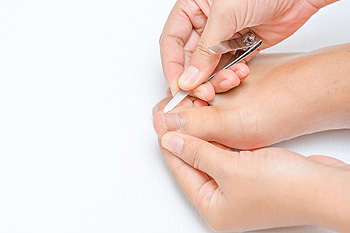
Ingrown toenails occur when the edges of a toenail grow into the surrounding skin, causing pain, redness, and swelling. This condition is often seen in the big toe and can sometimes lead to infection. One of the key causes of ingrown toenails is improper nail trimming, such as cutting nails too short or rounding the edges. Other factors include wearing tight shoes that crowd the toes or injure the nail. Toenail thickening, often caused by fungal infections, can also increase the risk of ingrown nails by altering the shape of the nail and making it more likely to dig into the skin. Ingrown toenails may improve with care such as soaking and proper trimming, but severe cases require professional treatment. A podiatrist can safely remove part of the nail, treat any infection, and provide advice on proper nail care and footwear to prevent recurrence. If you have an ingrown toenail, it is suggested that you schedule an appointment with a podiatrist.
Ingrown toenails may initially present themselves as a minor discomfort, but they may progress into an infection in the skin without proper treatment. For more information about ingrown toenails, contact the foot specialists of Podiatry Associates of Belleville. Our doctors can provide the care you need to keep you pain-free and on your feet.
Ingrown Toenails
Ingrown toenails are caused when the corner or side of a toenail grows into the soft flesh surrounding it. They often result in redness, swelling, pain, and in some cases, infection. This condition typically affects the big toe and may recur if it is not treated properly.
Causes
- Improper toenail trimming
- Genetics
- Improper shoe fitting
- Injury from pedicures or nail picking
- Abnormal gait
- Poor hygiene
You are more likely to develop an ingrown toenail if you are obese, have diabetes, arthritis, or have any fungal infection in your nails. Additionally, people who have foot or toe deformities are at a higher risk of developing an ingrown toenail.
Symptoms
Some symptoms of ingrown toenails are redness, swelling, and pain. In rare cases, there may be a yellowish drainage coming from the nail.
Treatment
Ignoring an ingrown toenail can have serious complications. Infections of the nail border can progress to a deeper soft-tissue infection, which can then turn into a bone infection. You should always speak with your podiatrist if you suspect you have an ingrown toenail, especially if you have diabetes or poor circulation.
If you have any questions, please feel free to contact our office located in Belleville, NJ . We offer the newest diagnostic and treatment technologies for all your foot care needs.
Causes of Outer Foot Pain
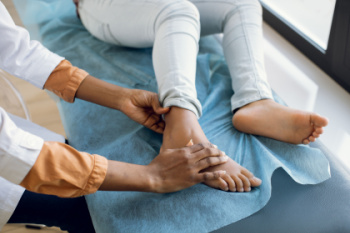
Outer foot pain can result from various conditions that affect the bones, ligaments, and joints. Ankle sprains occur when the ligaments are stretched or torn, leading to pain and instability on the outer side of the foot. Arthritis can cause inflammation in the joints, resulting in stiffness and discomfort that worsens with movement. A bunionette, or tailor’s bunion, forms at the base of the fifth toe, creating pressure and pain along the outer edge of the foot. Cuboid syndrome develops when the cuboid bone shifts out of alignment, often causing sharp pain and difficulty walking. Additionally, fifth metatarsal fractures involve a break in the long bone on the outer foot, leading to swelling and tenderness. If you have pain in this part of your foot, it is suggested that you consult a podiatrist who can determine what the cause is, and offer appropriate treatment solutions.
Foot Pain
Foot pain can be extremely painful and debilitating. If you have a foot pain, consult with the foot specialists from Podiatry Associates of Belleville. Our doctors will assess your condition and provide you with quality foot and ankle treatment.
Causes
Foot pain is a very broad condition that could be caused by one or more ailments. The most common include:
- Bunions
- Hammertoes
- Plantar Fasciitis
- Bone Spurs
- Corns
- Tarsal Tunnel Syndrome
- Ingrown Toenails
- Arthritis (such as Gout, Rheumatoid, and Osteoarthritis)
- Flat Feet
- Injury (from stress fractures, broken toe, foot, ankle, Achilles tendon ruptures, and sprains)
- And more
Diagnosis
To figure out the cause of foot pain, podiatrists utilize several different methods. This can range from simple visual inspections and sensation tests to X-rays and MRI scans. Prior medical history, family medical history, and any recent physical traumatic events will all be taken into consideration for a proper diagnosis.
Treatment
Treatment depends upon the cause of the foot pain. Whether it is resting, staying off the foot, or having surgery; podiatrists have a number of treatment options available for foot pain.
If you have any questions, please feel free to contact our office located in Belleville, NJ . We offer the newest diagnostic and treatment technologies for all your foot care needs.