Items filtered by date: March 2025
Do You Suffer From Painful Feet?
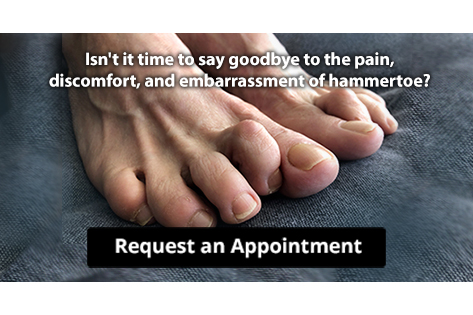
Painful deformities, such as hammertoes, can be treated. Stop living with foot pain, and have beautiful feet again!
Definition and Causes of a Plantar Fibroma
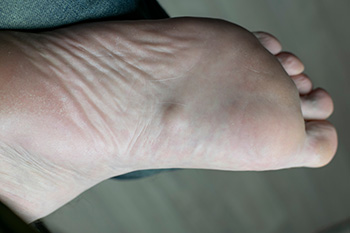
A plantar fibroma is a benign growth that develops in the plantar fascia, the thick band of tissue along the bottom of the foot. This firm lump is usually found in the arch and may cause discomfort or pain, especially when walking or standing for long periods. Symptoms include a noticeable mass under the skin, tenderness, and pressure-related pain. The exact cause is not always clear, but trauma to the foot, certain medications, and improper footwear may contribute to its development. Some health conditions, including diabetes and liver disease associated with alcoholism, have also been linked to plantar fibromas. Treatment options focus on reducing discomfort through orthotics and stretching, as well as other medical interventions. If you have one or more lumps on the sole of your foot, it is suggested that you promptly contact a podiatrist who can help you to manage this condition.
A plantar fibroma may disrupt your daily activities. If you have any concerns, contact the foot specialists of Podiatry Associates of Belleville. Our doctors can provide the care you need to keep you pain-free and on your feet.
Plantar Fibroma
A plantar fibroma is a fibrous knot in the arch of the foot. It is embedded in the plantar fascia which is a band of tissue that extends from the heel to the toes along the bottom of the foot. There can be multiple plantar fibromas in the feet at the same time. There are no known causes for this condition. If you have a plantar fibroma, there will be a bump in the arch of your foot that cannot be missed. Any associated pain is most often due to a shoe rubbing against the nodule. Non-surgical options, such as steroid injections, physical therapy, and orthotics should be tried first. Surgery is a last resort and is the only thing that will remove a plantar fibroma entirely. Consult with a podiatrist for a proper diagnosis and to determine the treatment regimen that is right for you.
What Causes a Plantar Fibroma?
While there are no specific causes identified, a plantar fibroma can possibly come from genetic predisposition or the formation of scar tissue that forms from healing the tears in the plantar fascia.
What Are the Symptoms of a Plantar Fibroma?
There will be a noticeable lump in the arch of the foot that may or may not cause pain. If pain is felt, it is typically because a shoe is rubbing up against the lump or when walking or standing barefoot.
Treatment and Prevention
A plantar fibroma will not disappear without treatment, but it can get smaller and be a non-issue. If pain persists, a podiatrist examines the foot and when the arch of the foot is pressed, pain can be felt down to the toes. An MRI or biopsy might be performed to help diagnose or evaluate the plantar fibroma. The following non-surgical options are generally enough to reduce the size and pain of these nodules:
- Steroid injections
- Orthotics
- Physical therapy to help apply anti-inflammatory creams on the bump
Surgery is considered if the mass increases in size and the patient continues to feel pain after non-surgical methods are tried.
If you have any questions please feel free to contact our office located in Belleville, NJ . We offer the newest diagnostic tools and technology to treat your foot and ankle needs.
Foot Changes During Pregnancy
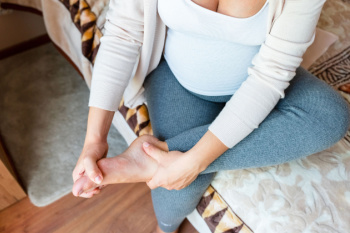
Pregnancy brings significant changes to the body, including the feet. Increased foot size is common due to hormonal changes that relax ligaments, causing the arches to flatten and the feet to lengthen. Many women experience heel pain and plantar fasciitis as extra weight places stress on the foot’s supportive structures. Swollen feet result from fluid retention and reduced circulation, leading to discomfort and tightness in shoes. Balance issues may arise as the center of gravity shifts, making walking more challenging. Additionally, flat feet can develop as the arches lose support, leading to fatigue and strain. Wearing supportive footwear, staying hydrated, and elevating the feet can help alleviate discomfort. If you are experiencing foot pain during your pregnancy, it is suggested that you consult a podiatrist who can determine what the cause is, and offer effective relief tips.
Pregnant women with swollen feet can be treated with a variety of different methods that are readily available. For more information about other cures for swollen feet during pregnancy, consult with the foot specialists from Podiatry Associates of Belleville. Our doctors will attend to all of your foot and ankle needs.
What Foot Problems Can Arise During Pregnancy?
One problem that can occur is overpronation, which occurs when the arch of the foot flattens and tends to roll inward. This can cause pain and discomfort in your heels while you’re walking or even just standing up, trying to support your baby.
Another problem is edema, or swelling in the extremities. This often affects the feet during pregnancy but tends to occur in the later stages.
How Can I Keep My Feet Healthy During Pregnancy?
- Wearing orthotics can provide extra support for the feet and help distribute weight evenly
- Minimize the amount of time spent walking barefoot
- Wear shoes with good arch support
- Wear shoes that allow for good circulation to the feet
- Elevate feet if you experience swelling
- Massage your feet
- Get regular, light exercise, such as walking, to promote blood circulation to the feet
If you have any questions please feel free to contact our office located in Belleville, NJ . We offer the newest diagnostic and treatment technologies for all your foot and ankle needs.
Causes and Symptoms of Morton’s Neuroma
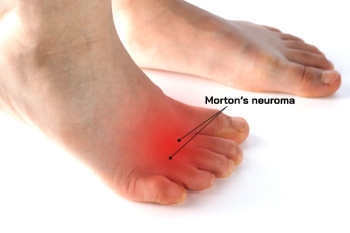
Morton’s neuroma is a painful condition that affects the ball of the foot, usually between the third and fourth toes. It occurs when the tissue surrounding a nerve thickens due to repeated pressure or irritation. Common causes include wearing tight or high-heeled shoes, engaging in high-impact activities such as running, or having foot deformities like flat feet or high arches. Symptoms often include a sharp or burning pain in the forefoot, a sensation of a lump or pebble inside the shoe, and numbness or tingling in the affected toes. Discomfort may worsen with prolonged standing or walking. If you have pain in this part of your foot, it is suggested that you promptly consult a podiatrist who can accurately diagnose and effectively treat Morton’s neuroma.
Morton’s neuroma is a very uncomfortable condition to live with. If you think you have Morton’s neuroma, contact the foot specialists of Podiatry Associates of Belleville. Our doctors will attend to all of your foot care needs and answer any of your related questions.
Morton’s Neuroma
Morton's neuroma is a painful foot condition that commonly affects the areas between the second and third or third and fourth toe, although other areas of the foot are also susceptible. Morton’s neuroma is caused by an inflamed nerve in the foot that is being squeezed and aggravated by surrounding bones.
What Increases the Chances of Having Morton’s Neuroma?
- Ill-fitting high heels or shoes that add pressure to the toe or foot
- Jogging, running or any sport that involves constant impact to the foot
- Flat feet, bunions, and any other foot deformities
Morton’s neuroma is a very treatable condition. Orthotics and shoe inserts can often be used to alleviate the pain on the forefront of the feet. In more severe cases, corticosteroids can also be prescribed. In order to figure out the best treatment for your neuroma, it’s recommended to seek the care of a podiatrist who can diagnose your condition and provide different treatment options.
If you have any questions, please feel free to contact our office located in Belleville, NJ . We offer the newest diagnostic and treatment technologies for all your foot care needs.
Foot Problems Linked to High Arches
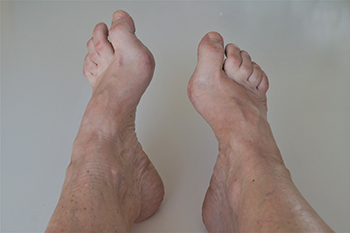
High arches can contribute to several foot and ankle problems due to the uneven distribution of weight. People with this condition often experience excessive pressure on the ball and heel of the foot, which can lead to metatarsalgia or plantar fasciitis. The strain placed on the toes may also result in deformities, such as hammer toe or claw toe, making it difficult to wear regular shoes without discomfort. High arches can also cause instability in the foot and ankle, which increases the risk of frequent sprains. Some people are born with high arches, while others develop them due to neurological conditions that affect muscle function. A podiatrist can assess your foot structure, determine whether an underlying condition is involved, and provide recommendations to improve stability and reduce pain. Treatment may involve supportive footwear, custom orthotics, or surgery, if the condition leads to chronic pain or deformity. If you have high arches that are causing foot or ankle pain, it is suggested that you schedule an appointment with a podiatrist for an exam and treatment options.
If you have any concerns about your feet, contact the foot specialists from Podiatry Associates of Belleville. Our doctors can provide the care you need to keep you pain-free and on your feet.
Biomechanics in Podiatry
Podiatric biomechanics is a particular sector of specialty podiatry with licensed practitioners who are trained to diagnose and treat conditions affecting the foot, ankle and lower leg. Biomechanics deals with the forces that act against the body, causing an interference with the biological structures. It focuses on the movement of the ankle, the foot and the forces that interact with them.
A History of Biomechanics
- Biomechanics dates back to the BC era in Egypt where evidence of professional foot care has been recorded.
- In 1974, biomechanics gained a higher profile from the studies of Merton Root, who claimed that by changing or controlling the forces between the ankle and the foot, corrections or conditions could be implemented to gain strength and coordination in the area.
Modern technological improvements are based on past theories and therapeutic processes that provide a better understanding of podiatric concepts for biomechanics. Computers can provide accurate information about the forces and patterns of the feet and lower legs.
Understanding biomechanics of the feet can help improve and eliminate pain, stopping further stress to the foot.
If you have any questions please feel free to contact our office located in Belleville, NJ . We offer the newest diagnostic and treatment technologies for all your foot and ankle needs.