
Have you noticed a bony protrusion on the side of your big toe? If so, you may have developed the foot condition known as a bunion. Don't let bunions interfere with your daily activities.
Have you noticed a bony protrusion on the side of your big toe? If so, you may have developed the foot condition known as a bunion. Don't let bunions interfere with your daily activities.

An ankle sprain occurs when the strong bands of tissue that hold the ankle bones together stretch beyond their normal limit and tear. Many people describe this injury as a rolled or twisted ankle. It can happen while playing sports, stepping off a curb, or slipping and falling. The damage ranges from a mild stretch to a complete tear. Symptoms include pain, swelling, bruising, stiffness, and trouble putting weight on the foot. A severe ankle sprain can make walking very difficult. Ignoring these signs can allow the injury to become more serious and increase the chance of lasting ankle weakness.
A podiatrist begins by asking how the injury happened and examining the ankle for tenderness, swelling, movement, and stability. The exam helps determine how badly the ligaments have been damaged. Imaging tests, like X-rays, ultrasounds, or MRI scans, also help rule out broken bones or show the extent of a ligament tear. Ankle sprains are grouped into three grades. Grade 1 involves a stretched ligament with a small tear. Grade 2 includes a larger tear with more swelling and discomfort, while grade 3 means the ligament has torn completely. Although surgery is uncommon, it is sometimes recommended for severe injuries or repeated sprains affecting the same ankle.
Prompt diagnosis gives the ankle the best chance to heal correctly and lowers the risk of future problems. A podiatrist can recommend a brace that protects the ankle, monitor healing, and determine when it is safe to return to normal activities. Patients with repeated sprains can receive a careful evaluation to identify factors that increase their risk. This includes stiff ankles, very flexible joints, or high arches. Early care also helps prevent ongoing instability that affects balance and may cause another sprain. Early evaluation also helps reduce unnecessary strain on nearby joints and muscles. If you have sprained your ankle, it is suggested that you promptly schedule an appointment with a podiatrist effective relief and treatment solutions.
Although ankle sprains are common, they aren’t always minor injuries. If you need your ankle injury looked at, contact the foot specialists from Podiatry Associates of Belleville. Our doctors can provide the care you need to keep you pain-free and on your feet.
How Does an Ankle Sprain Occur?
Ankle sprains are the result of a tear in the ligaments within the ankle. These injuries may happen when you make a rapid shifting movement while your foot is planted. A less common way to sprain your ankle is when your ankle rolls inward while your foot turns outward.
What Are the Symptoms?
Preventing a Sprain
Treatment of a Sprain
In many cases, the RICE method (Rest, Ice, Compression, and Elevate) is used to treat ankle sprains. However, you should see a podiatrist to see which treatment option would work best with your injury. In severe cases, surgery may be required.
It is important to ask your doctor about rehab options after you receive treatment for your injury. Stretching, strength training, and balance exercises may help the ankle heal while also preventing further injury.
If you have any questions, please feel free to contact our office located in Belleville, NJ . We offer the newest diagnostic and treatment technologies for all your foot care needs.

Cracked heels develop when the skin around the heel becomes dry, thick, and unable to stretch normally. As pressure builds while standing and walking, the skin can split and form painful cracks. These cracks can be shallow or deep enough to bleed and make daily activities uncomfortable. Dry skin, standing for long periods, and excess pressure on the heels all increase the risk of cracked heels. Wearing shoes that lack proper support or shoes with open backs can also place added stress on the heel. Symptoms include rough skin, thick calluses, and visible cracks around the edge of the heel. Some patients also notice redness or tenderness. When the cracks become deep, the risk of infection increases because bacteria can enter through the broken skin.
A podiatrist performs a detailed examination to determine the cause and severity of the cracked heels. The evaluation includes checking the skin, foot structure, and the way the patient stands and walks. The podiatrist also looks for medical conditions that can contribute to dry, damaged skin, like diabetes or poor circulation. In some cases, additional testing helps identify an underlying condition that requires treatment. A complete evaluation allows the podiatrist to create a treatment plan that addresses both the cracks and the factors that caused them. Early treatment helps reduce pain and lowers the chance of infection or deeper skin damage.
Treatment focuses on improving skin health while reducing pressure on the heels. A podiatrist can safely remove thickened skin that increases stress around the cracks. Care also includes custom orthotics that improve foot alignment and distribute pressure more evenly across the foot. The podiatrist can recommend shoes that provide proper support and reduce stress on the heels while walking. Patients with severe cracks, signs of infection, or medical conditions that affect healing receive additional treatment to protect the skin and restore foot health. If you have symptoms of cracked heels, it is suggested that you schedule an appointment with a podiatrist for diagnosis and treatment.
Cracked heels are unsightly and can cause further damage to your shoes and feet. If you have any concerns, contact the foot specialists from Podiatry Associates of Belleville. Our doctors can provide the care you need to keep you pain-free and on your feet.
Cracked Heels
Cracked heels appear unappealing and can make it harder for you walk around in sandals. Aside from looking unpleasant, cracked heels can also tear stockings, socks, and wear out your shoes. There are several methods to help restore a cracked heel and prevent further damage.
How Do You Get Them?
Dry skin is the number one culprit in creating cracked heels. Many athletes, walkers, joggers, and even swimmers suffer from cracked heels. Age and skin oil production play a role to getting cracked heels as well.
Promote Healing
Over the counter medicines can help, especially for those that need instant relief or who suffer from chronic dry feet.
Wear Socks – Wearing socks with medicated creams helps lock in moisture.
Moisturizers – Applying both day and night will help alleviate dryness which causes cracking.
Pumice Stones – These exfoliate and remove dead skin, which allows for smoother moisturizer application and better absorption into the skin.
Change in Diet
Eating healthy with a well-balanced diet will give the skin a fresh and radiant look. Your body responds to the kinds of food you ingest. Omega-3 fatty acids and zinc supplements can also revitalize skin tissue.
Most importantly, seek professional help if unsure how to proceed in treating cracked heels. A podiatrist will help you with any questions or information needed.
If you have any questions, please feel free to contact our office located in Belleville, NJ . We offer the newest diagnostic and treatment technologies for all your foot care needs.
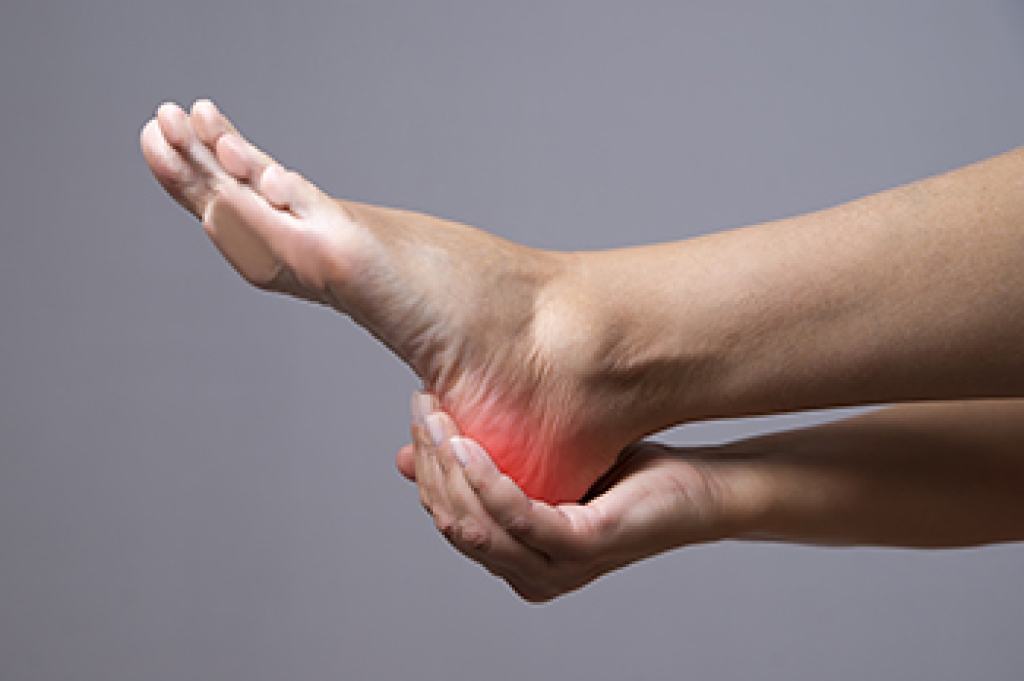
Heel pain is one of the most common reasons people seek foot care from a podiatrist. The heel absorbs significant pressure during walking, running, and standing, making it vulnerable to injury and overuse. Heel pain may develop gradually or appear suddenly, depending on the underlying cause. Many people notice discomfort while taking their first steps in the morning or after periods of rest. Symptoms can range from mild soreness to sharp pain that affects mobility and daily activities. Because the heel plays a critical role in supporting body weight, ongoing pain can interfere with work, exercise, and overall quality of life.
One of the most common causes of heel pain is irritation of the thick band of tissue that runs along the bottom of the foot and connects the heel to the toes. Heel pain may also result from inflammation, stress-related injuries, or irritation of nearby nerves. Individuals who spend long hours on their feet, participate in high-impact activities, or have certain foot structures may be at greater risk of developing symptoms. As discomfort increases, people often change the way they walk to avoid pain. This altered movement can place additional strain on the feet, ankles, and lower legs, potentially leading to further problems if left unaddressed.
A podiatrist can help identify the cause of heel pain through a thorough examination of the foot and ankle. Evaluating foot structure, gait, and overall function allows a podiatrist to develop an appropriate treatment plan based on the patient's specific needs. Professional care focuses on relieving pain, improving mobility, and addressing factors that contribute to ongoing discomfort. Early diagnosis and treatment may help prevent symptoms from becoming more severe and affecting daily activities. Maintaining healthy foot function is essential for long-term mobility and comfort. If you have developed heel pain, it is suggested that you consult a podiatrist for an accurate diagnosis and appropriate treatment options.
Many people suffer from bouts of heel pain. For more information, contact the foot specialists of Podiatry Associates of Belleville. Our doctors can provide the care you need to keep you pain-free and on your feet.
Causes of Heel Pain
Heel pain is often associated with plantar fasciitis. The plantar fascia is a band of tissues that extends along the bottom of the foot. A rip or tear in this ligament can cause inflammation of the tissue.
Achilles tendonitis is another cause of heel pain. Inflammation of the Achilles tendon will cause pain from fractures and muscle tearing. Lack of flexibility is also another symptom.
Heel spurs are another cause of pain. When the tissues of the plantar fascia undergo a great deal of stress, it can lead to ligament separation from the heel bone, causing heel spurs.
Why Might Heel Pain Occur?
Treatments
Heel pain should be treated as soon as possible for immediate results. Keeping your feet in a stress-free environment will help. If you suffer from Achilles tendonitis or plantar fasciitis, applying ice will reduce the swelling. Stretching before an exercise like running will help the muscles. Using all these tips will help make heel pain a condition of the past.
If you have any questions, please feel free to contact our office located in Belleville, NJ . We offer the newest diagnostic and treatment technologies for all your foot care needs.

Falling down steps is a sudden traumatic event that can cause significant injury to the foot and ankle due to the high impact forces involved. This type of fall often occurs when a person missteps, loses balance, or fails to see a step clearly. The foot may twist, roll, or absorb direct impact, leading to damage in bones, ligaments, or soft tissues. Because stairs create uneven elevation changes, even a small miscalculation can result in injury.
Symptoms following a fall down steps vary depending on severity but often include sharp pain, swelling, bruising, and difficulty walking. Some individuals may notice instability in the ankle or an inability to bear weight. More serious injuries may present with deformity, grinding sensations, or persistent pain that worsens over time. Soft tissue injuries such as sprains or tendon strains are common, but fractures of the toes, heel, or ankle bones may also occur.
Risk factors for falling down steps include environmental hazards such as poorly maintained stairs, cluttered walkways, and inadequate lighting. Personal factors such as wearing improper footwear, rushing, or carrying heavy objects can also increase risk. Medical conditions that affect balance, coordination, or sensation in the feet further contribute to the likelihood of a fall. Reduced muscle strength or previous injuries may also make individuals more vulnerable to losing stability on stairs.
Foot conditions caused by falling down steps can range from mild to severe. Common injuries include ankle sprains, plantar fascia strain, metatarsal fractures, and ligament damage. In some cases, repeated instability may develop if injuries are not fully treated. Proper evaluation is important to prevent long term complications such as chronic pain or reduced mobility. If you have sustained a foot or ankle injury from falling down steps, it is suggested you consult a podiatrist for an accurate diagnosis and appropriate treatment.
Preventing falls among the elderly is very important. If you are older and have fallen or fear that you are prone to falling, consult with the foot specialists from Podiatry Associates of Belleville. Our doctors will assess your condition and provide you with quality advice and care.
Every 11 seconds, an elderly American is being treated in an emergency room for a fall related injury. Falls are the leading cause of head and hip injuries for those 65 and older. Due to decreases in strength, balance, senses, and lack of awareness, elderly persons are very susceptible to falling. Thankfully, there are a number of things older persons can do to prevent falls.
How to Prevent Falls
Some effective methods that older persons can do to prevent falls include:
Falling can be a traumatic and embarrassing experience for elderly persons; this can make them less willing to leave the house, and less willing to talk to someone about their fears of falling. Doing such things, however, will increase the likelihood of tripping or losing one’s balance. Knowing the causes of falling and how to prevent them is the best way to mitigate the risk of serious injury.
If you have any questions, please feel free to contact our office located in Belleville, NJ . We offer the newest diagnostic and treatment technologies for all your foot care needs.
Connect With Us